November 22, 2026
Creating an attractive outdoor space does not have to come at the expense of the environment. With thoughtful material selections, water-conscious designs, and durable outdoor features, homeowners can create yards that are both functional and environmentally responsible. Sustainable hardscaping offers opportunities to reduce environmental impact while improving the appearance, usability, and long-term value of a property.
Choosing Durable and Sustainable Materials
One of the most important considerations when planning an environmentally friendly outdoor space is selecting materials that offer long-term durability. Materials that withstand changing weather conditions and everyday use reduce the need for frequent replacements, helping homeowners conserve resources over time.
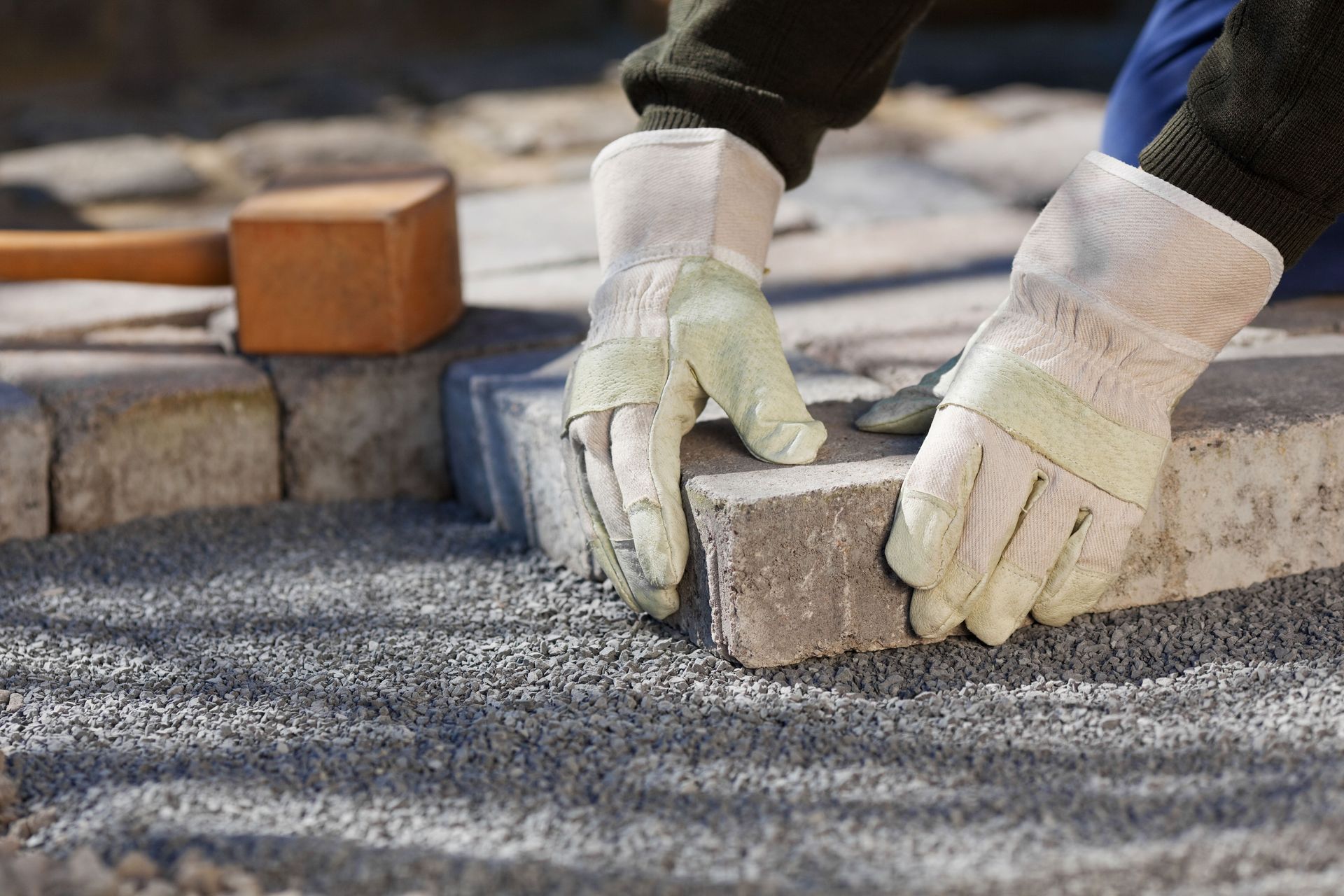
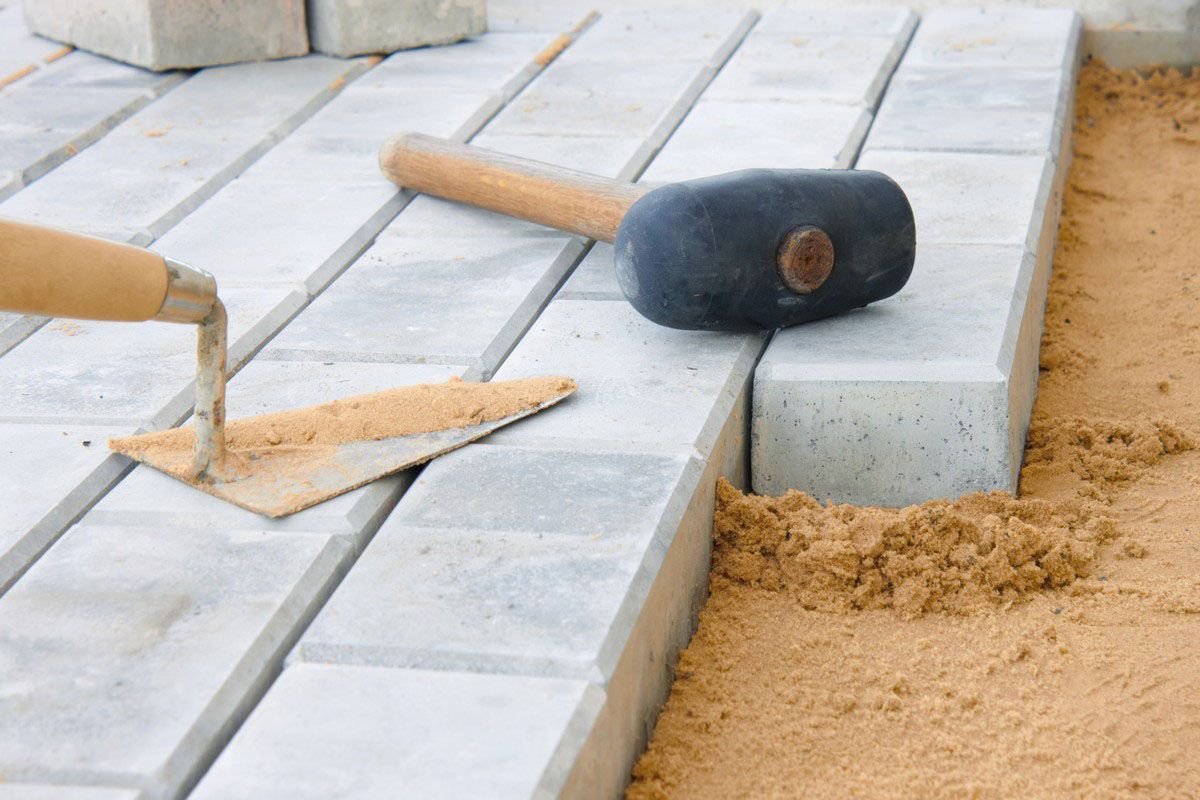
Natural stone, brick, and high-quality concrete pavers are popular choices for outdoor projects. These materials provide lasting performance while offering a variety of colors, textures, and design possibilities. Natural stone can also complement existing landscaping by creating a connection between constructed features and the surrounding environment.
Reclaimed materials are another option worth considering. Repurposed stone, brick, and other suitable materials can give outdoor spaces distinctive character while reducing demand for newly manufactured products. Incorporating existing materials into patios, walkways, and other outdoor features can also help minimize construction waste.
Durability is particularly important when investing in hardscaping because quality installations can serve homeowners for decades. According to HomeLight, individual pavers can last up to 100 years, making them a potentially long-lasting option for outdoor surfaces. Choosing dependable materials and having them installed correctly can help homeowners get more value from their investment.
Installing Permeable Outdoor Surfaces
Managing rainwater is an important part of creating a sustainable yard. Traditional solid surfaces can prevent water from naturally soaking into the ground, increasing runoff and potentially contributing to erosion or drainage problems. Permeable surfaces offer an alternative by allowing water to move through openings between materials and into the underlying soil.
Permeable pavers are one option for improving water management around a property. Instead of creating a completely sealed surface, these installations incorporate spaces that allow rainwater to pass through. Depending on the design and underlying base, this can help reduce surface runoff and support natural groundwater replenishment.
Homeowners can consider permeable materials for several outdoor applications, including:
- Walkways: Permeable walking surfaces provide convenient access throughout the yard while allowing rainwater to reach the soil.
- Patios: Properly designed paver patios can create attractive gathering spaces without relying on completely impermeable surfaces.
- Driveways: Permeable driveway materials can help manage rainfall in areas prone to runoff.
Proper installation is essential for these surfaces to perform effectively. The underlying base, material selection, and site conditions all influence drainage performance. Working with experienced professionals helps ensure that outdoor surfaces are designed with the property's specific needs in mind.
Designing Patios That Support Natural Landscaping
A sustainable yard should balance constructed outdoor features with healthy natural spaces. Rather than covering large portions of a property with solid materials, homeowners can create designated gathering areas while preserving room for grass, trees, shrubs, and garden beds.
A thoughtfully designed patio provides a functional outdoor living area without overwhelming the surrounding landscape. Homeowners can choose materials that complement existing vegetation and create natural transitions between paved surfaces and planted areas.
For example, a patio can incorporate planting beds along its perimeter, allowing flowers and shrubs to soften the appearance of stone or paver surfaces. Trees can also provide natural shade, making outdoor seating areas more comfortable during warmer months.
When planning a patio, consider how its size and placement will affect the surrounding yard. A properly proportioned design can provide enough space for outdoor dining, entertaining, and relaxation while leaving room for vegetation and natural ground cover.
Cutting Edge Hardscapes offers custom patio design and installation as part of its outdoor living services. Thoughtful planning helps homeowners create attractive gathering spaces that complement their property's existing features.
Incorporating Retaining Walls Into Sustainable Designs
Retaining walls can contribute to environmentally conscious landscape planning by helping homeowners manage elevation changes and make better use of sloped properties. Uneven terrain can create challenges involving soil movement, erosion, and water runoff. A properly designed retaining wall can help address these concerns while creating more usable outdoor space.
Stone and other durable wall materials provide structural support while adding visual interest to a landscape. Homeowners can also incorporate planting areas around retaining walls to soften their appearance and create a more natural transition between different elevations.
Several design considerations can help make retaining walls more effective:
- Proper drainage: Appropriate drainage provisions help prevent excess water pressure from accumulating behind the wall.
- Durable materials: Quality materials can withstand environmental exposure and reduce the need for premature replacement.
- Integrated planting: Vegetation around retaining walls can help create a more balanced appearance and connect constructed features with the surrounding landscape.
- Thoughtful placement: Strategically positioning walls can enhance the functionality of sloped areas without unnecessarily disturbing existing landscaping.
Retaining walls should be designed according to the property's soil conditions, slope, and drainage requirements. Professional planning helps ensure that these structures provide dependable support while contributing to an attractive outdoor environment.
Creating Outdoor Living Areas With Less Environmental Impact
Sustainable outdoor design is not limited to selecting environmentally responsible materials. Homeowners can also make thoughtful decisions about how they use their yards and the features they incorporate into their outdoor living spaces. Strategic hardscaping can help create functional outdoor environments while minimizing unnecessary disruption to existing landscaping.
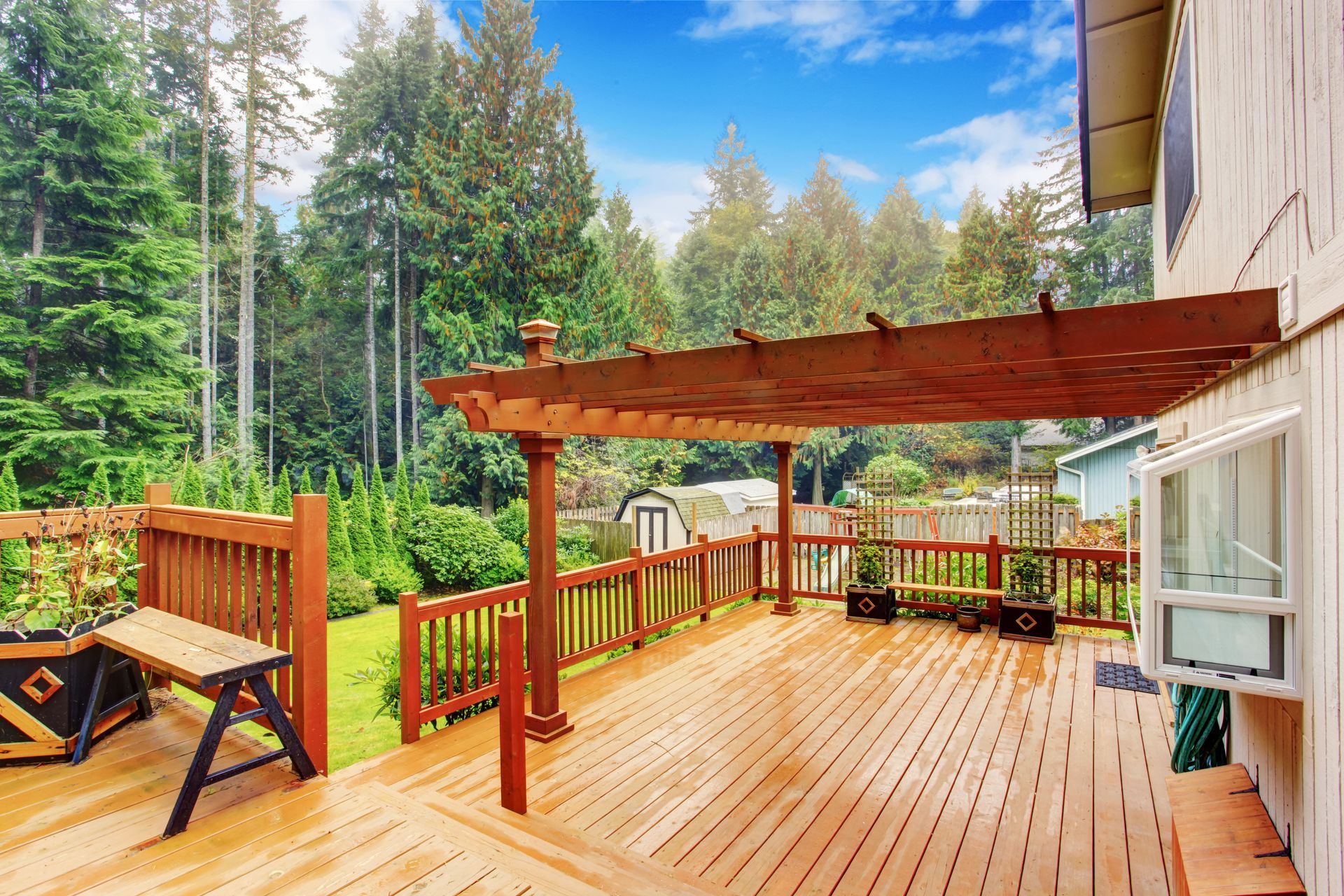
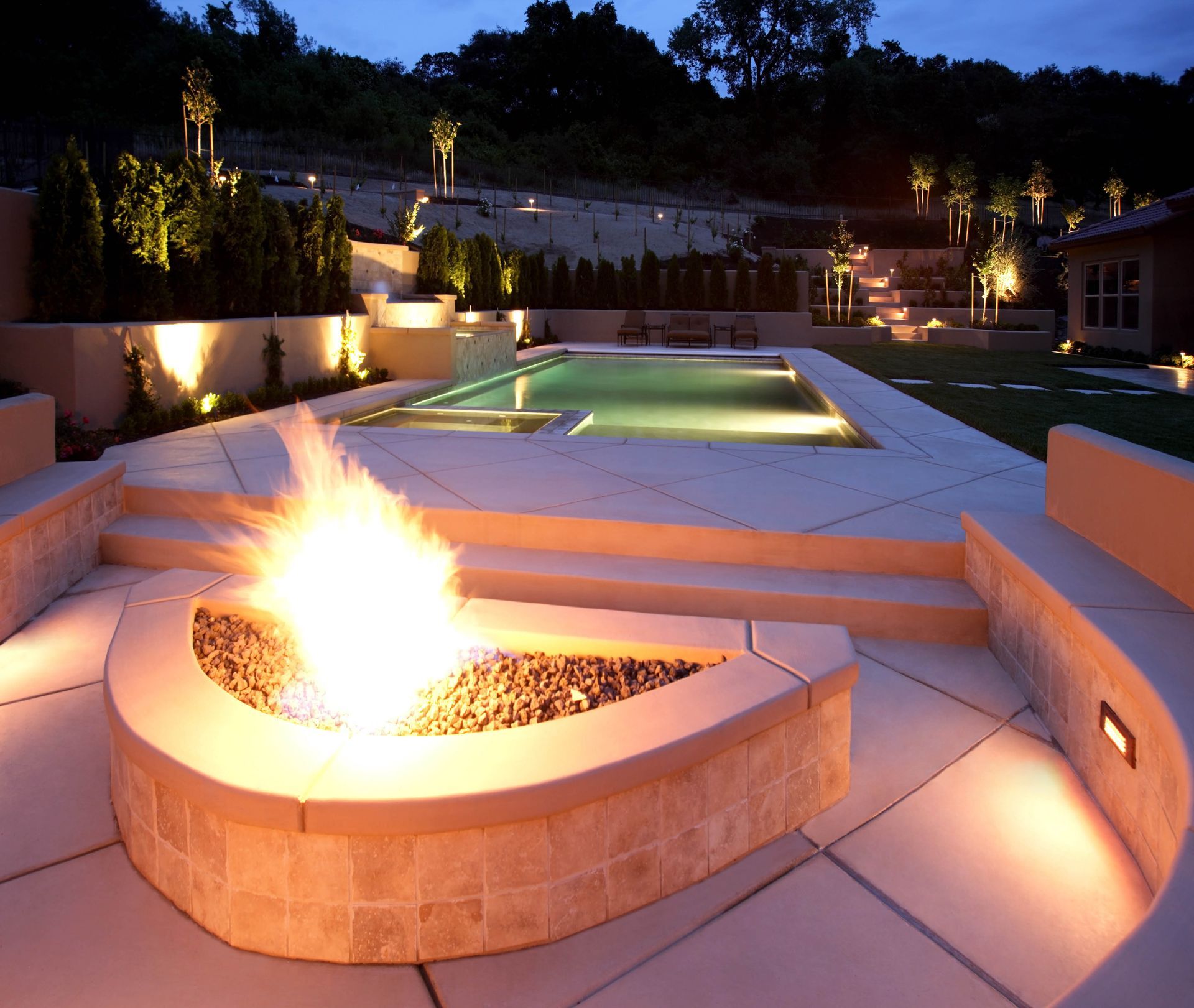
Pergolas, fire pits, and outdoor kitchens can create functional gathering areas that encourage homeowners to spend more time outside. When these features are positioned strategically, they can make a property more enjoyable without requiring unnecessary construction throughout the yard.
For example, a pergola can provide shade over an existing patio, helping create a comfortable outdoor seating area. Choosing a location that takes advantage of natural shade and prevailing breezes can also improve comfort without relying as heavily on additional cooling equipment.
Fire pits offer another opportunity to create a designated gathering space. Selecting a location that accommodates the feature safely and works with the existing outdoor layout can help avoid unnecessary changes to the surrounding landscape.
Outdoor kitchens can also support more functional backyard designs. By integrating cooking, dining, and seating areas into a single coordinated space, homeowners can create an organized environment that makes better use of the available space. Combining these features through thoughtful hardscaping design can also help homeowners maximize their existing outdoor areas.
Cutting Edge Hardscapes designs outdoor living structures and features that complement patios, walkways, and other landscape elements. Coordinating these improvements helps create a cohesive space that supports everyday use and long-term enjoyment.
Maintaining Sustainable Outdoor Features
Even durable outdoor installations benefit from regular maintenance. Taking care of patios, walkways, retaining walls, and other constructed features can help extend their useful lifespans and reduce the need for replacement materials. Routine hardscaping maintenance also helps preserve the appearance and functionality of these features while supporting a more sustainable yard.
Homeowners can take several simple steps to protect their outdoor investments:
- Remove leaves, dirt, and debris before they accumulate on paved surfaces.
- Address shifting or damaged pavers before minor problems become more extensive.
- Keep drainage areas clear to encourage proper water movement.
- Inspect retaining walls for visible signs of movement or drainage concerns.
- Maintain surrounding vegetation to prevent overgrowth from interfering with outdoor features.
Routine maintenance also provides opportunities to identify potential issues early. For example, correcting drainage concerns can help protect paved surfaces and surrounding landscaping from unnecessary water damage. Keeping up with these tasks can help homeowners avoid more extensive hardscaping repairs and reduce the need for additional construction materials.
Choosing durable materials and properly maintaining them allows homeowners to enjoy their outdoor improvements for longer. These practices support sustainability by reducing material consumption, unnecessary repairs, and avoidable construction waste.
Building a More Sustainable Outdoor Space
Creating an environmentally responsible yard involves making thoughtful decisions about materials, drainage, landscaping, and outdoor functionality. From durable pavers and permeable walkways to carefully designed patios and retaining walls, homeowners have many opportunities to improve their properties while considering their environmental impact.
Successful hardscaping projects balance constructed features with the natural landscape, creating outdoor environments that are attractive, practical, and built to last. With professional planning and quality installation, homeowners can make improvements that provide lasting benefits without sacrificing the beauty of their yards. Contact Cutting Edge Hardscapes today to explore sustainable outdoor design options and create a beautiful, functional yard that complements your property and lifestyle.