November 7, 2026
In the quest for outdoor solace, deciding between a deck and a patio is one of the most pivotal choices a homeowner can make. Both architectural foundations offer distinct aesthetic advantages, expand your usable living space, and significantly elevate your daily home enjoyment. However, selecting the right foundation requires a balanced evaluation of your terrain, budget, maintenance preferences, and architectural style. Whether you envision hosting vibrant summer dinner parties, relaxing beside a quiet water feature, or gathering family around an evening fire, understanding the key differences between these two outdoor staples is essential. By examining the practical, structural, and financial realities of both options, you can confidently invest in a backyard retreat that complements your lifestyle for years to come.
Assessing Backyard Topography and Usable Space
Before purchasing materials or finalizing a layout, you must evaluate the natural contours and usable boundaries of your yard. Ground slope and overall elevation serve as the primary structural deciders between an elevated deck and an on-grade patio. Decks excel across steep slopes and multi-story home layouts, as wooden or steel support posts easily bridge dramatic elevation drops without massive earthmoving. Conversely, ground-level surfaces offer seamless transitions for flat or gently rolling terrain. If your yard has moderate slope variations, an experienced patio contractor can level the ground using retaining walls or terraced steps, creating gorgeous multi-tiered paved spaces that blend naturally into the surrounding landscape while preserving vital property drainage.
Beyond elevation, evaluating square footage and sun exposure dictates proper placement. Measuring your yard prevents you from installing a structure that overwhelms your lawn or obstructs vital property drainage. A knowledgeable patio contractor can assess municipal setback requirements, soil drainage capacity, and underground utility easements before ground is broken. Factoring in existing trees and sun patterns ensures you do not inadvertently position dining zones in blistering afternoon heat or perpetual, damp shadow.
Comparing Structural Materials and Installation Needs
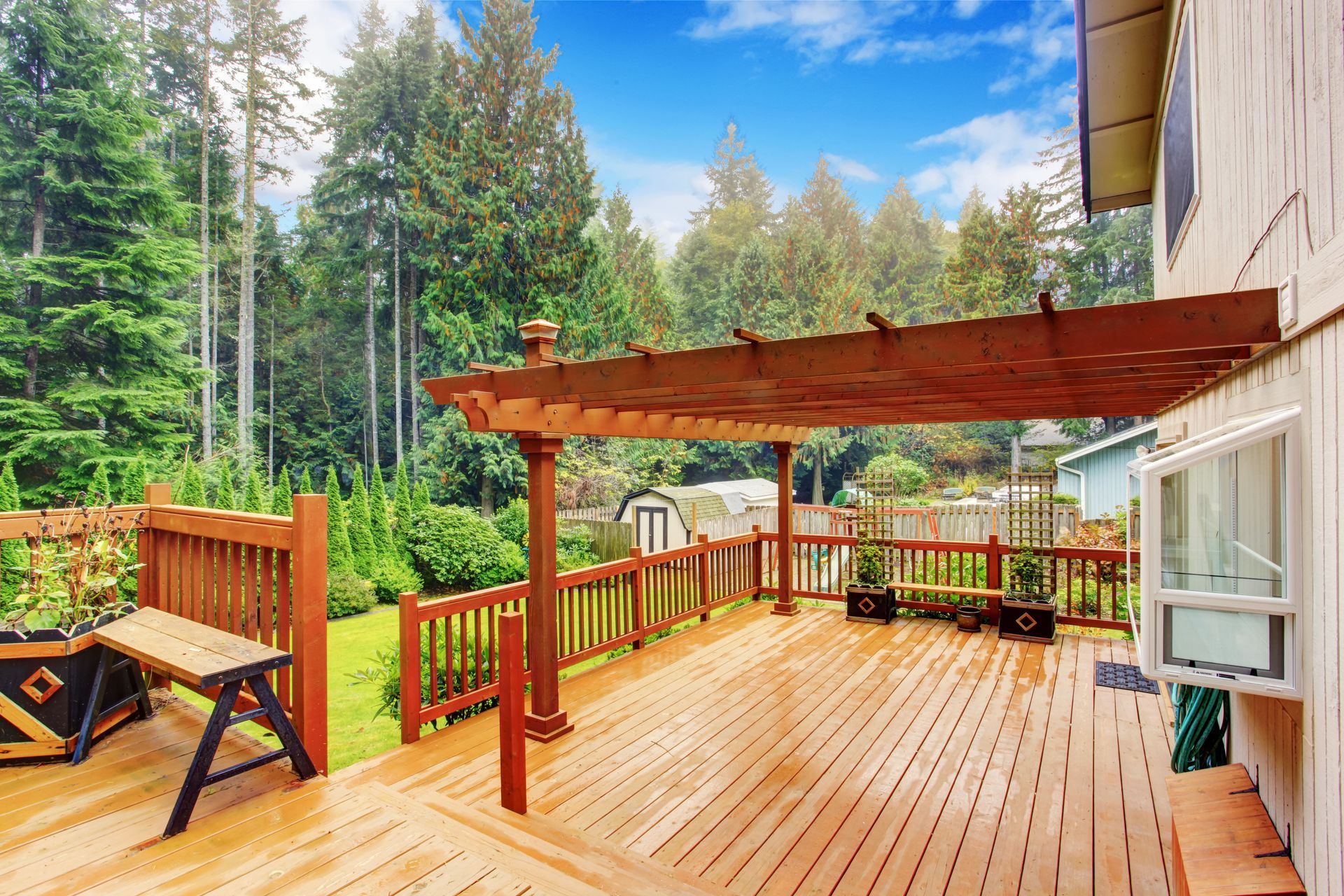
The selection of structural materials directly influences both your outdoor aesthetic and the complexity of installation. Decks are typically built using pressure-treated framing lumber topped with cedar, redwood, capped composite, or cellular PVC planks. Natural wood delivers authentic organic warmth but demands consistent upkeep, while composite boards resist moisture and splintering with ease. Installing a deck requires digging deep footings below the frost line and securing ledger boards to the house.
In contrast, masonry installations rely on poured concrete, interlocking pavers, brick, or natural flagstone over a compacted crushed-stone base. A skilled patio contractor precisely screeds bedding sand, lays each stone, and sweeps polymeric sand into joints to ensure long-term stability without shifting. While deck construction centers on framing carpentry, ground masonry demands heavy excavation and precise leveling to prevent future shifting.
Evaluating Financial Investment and Long-Term Value
Upfront construction costs and overall return on investment inevitably shape every home improvement project. Because decks require structural posts, framing, joists, and safety railings, they often carry a higher initial price per square foot than basic ground-level hardscapes. Custom multi-tiered decks built with premium composites can quickly escalate in price. Patios generally present lower entry costs, though intricate stonework and extensive site excavation can level the playing field.
Resale value is another critical consideration for forward-thinking homeowners. According to Homelight, for the best ROI, a patio should take up about 33% of your outdoor living area. Keeping this spatial proportion in mind prevents homeowners from either underbuilding or swallowing up too much green lawn. Collaborating with a professional patio contractor helps you hit this spatial sweet spot, protecting property value while maximizing outdoor enjoyment.
Balancing Maintenance Demands and Material Durability
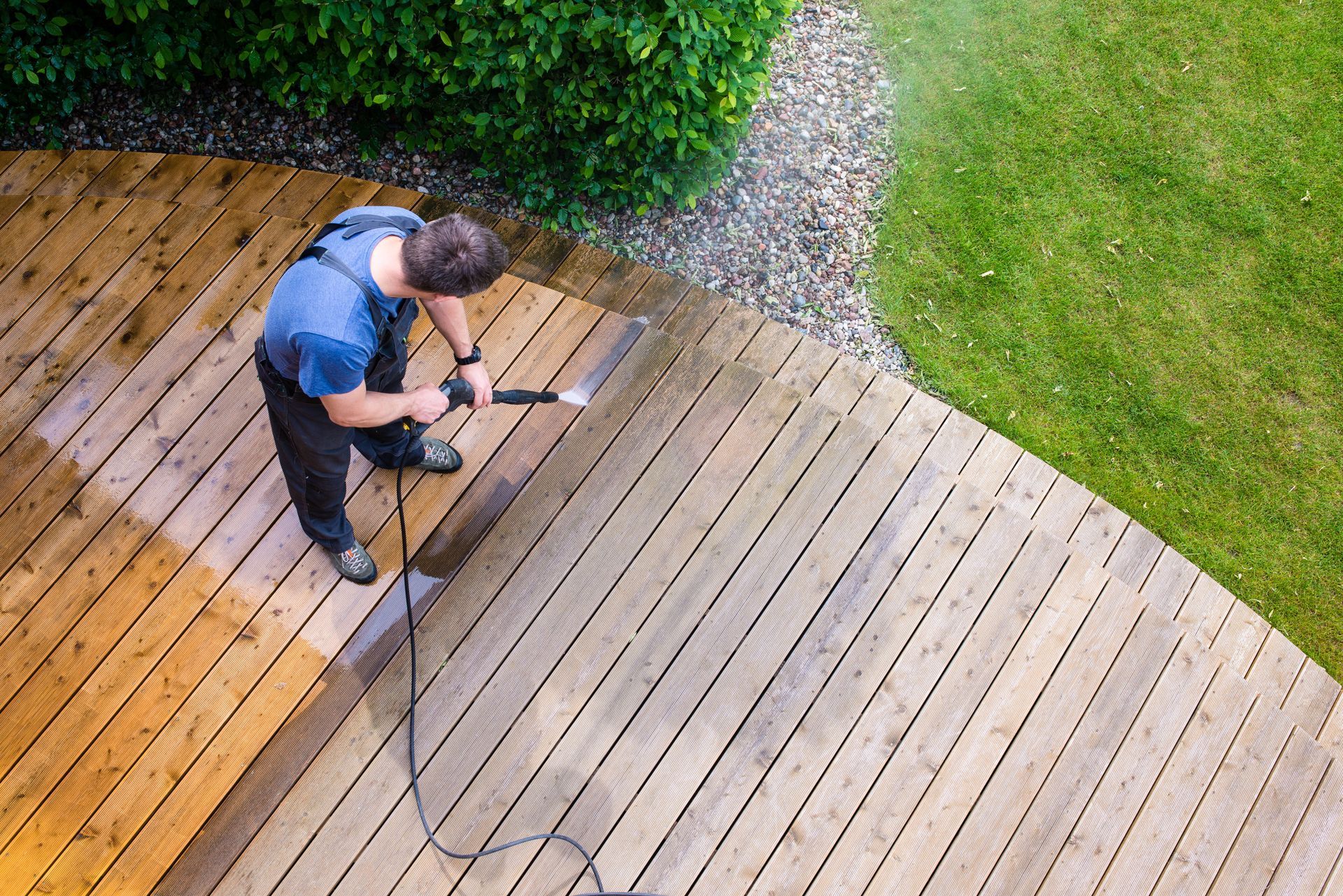
A foundation's true cost extends well beyond initial construction to include ongoing maintenance requirements and overall structural lifespan. Natural wood decks demand constant vigilance; they require routine power washing, sanding, and staining every two to three years to prevent moisture rot and UV fading. Composite boards reduce this chore to periodic washing, though surface scratches cannot easily be sanded away.
Conversely, paved stone and concrete installations offer exceptional durability lasting decades. Quality pavers will not rot, splinter, or suffer insect damage. Hiring an established patio contractor to apply a protective sealant every few years prevents oil stains and freeze-thaw spalling, keeping your hardscape looking brand new with minimal physical effort.
Designing for Architectural Harmony and Visual Flow
An outdoor living space should feel like a natural architectural extension of your home rather than an afterthought. Matching exterior textures, color palettes, and structural lines preserves visual continuity across your property. For example, a warm cedar deck effortlessly complements rustic cabins and traditional craftsman homes, whereas sleek pavers and smooth concrete slabs suit modern minimalist architecture.
Transitioning seamlessly between indoor flooring and outdoor ground surfaces enhances visual flow. Aligning exterior paver tones with indoor tile creates an expansive open-air feel when patio doors slide open, while decks can echo interior millwork through coordinated railing profiles, post caps, and perimeter fascia trim. Thoughtful design choices integrate built-in planter boxes, privacy screens, and complementary trim, ensuring the outdoor foundation looks like it was conceived alongside the residence itself.
Incorporating Custom Utilities and Outdoor Features
Modern backyards function as full-featured alfresco living rooms rather than simple landing pads for patio furniture. Decks accommodate recessed step lighting, railing lights, and overhead pergolas with ease, but incorporating heavy amenities requires substantial engineering. Installing a hot tub or a stone fireplace on an elevated deck demands reinforced joists and added support posts to carry the weight safely.
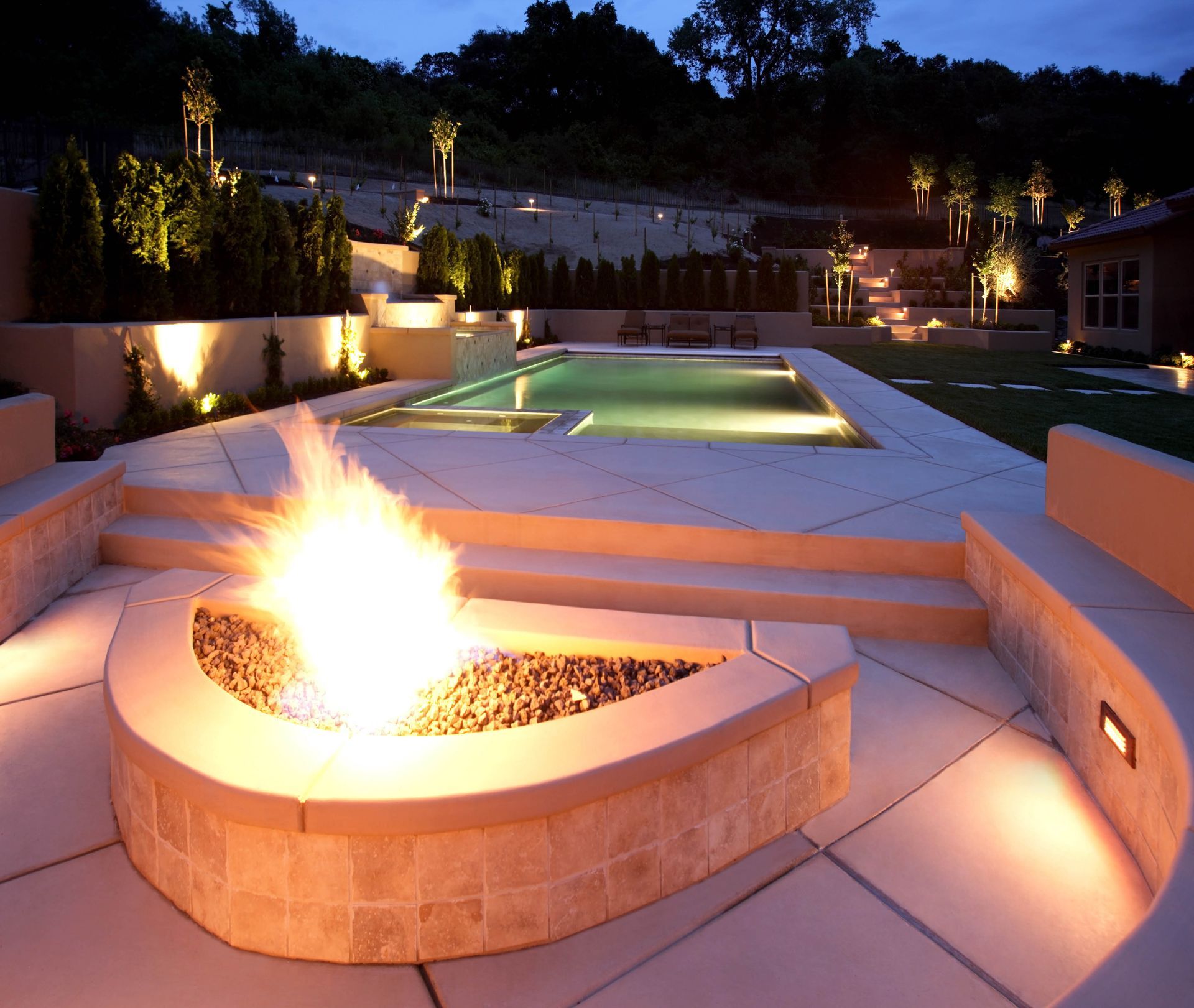
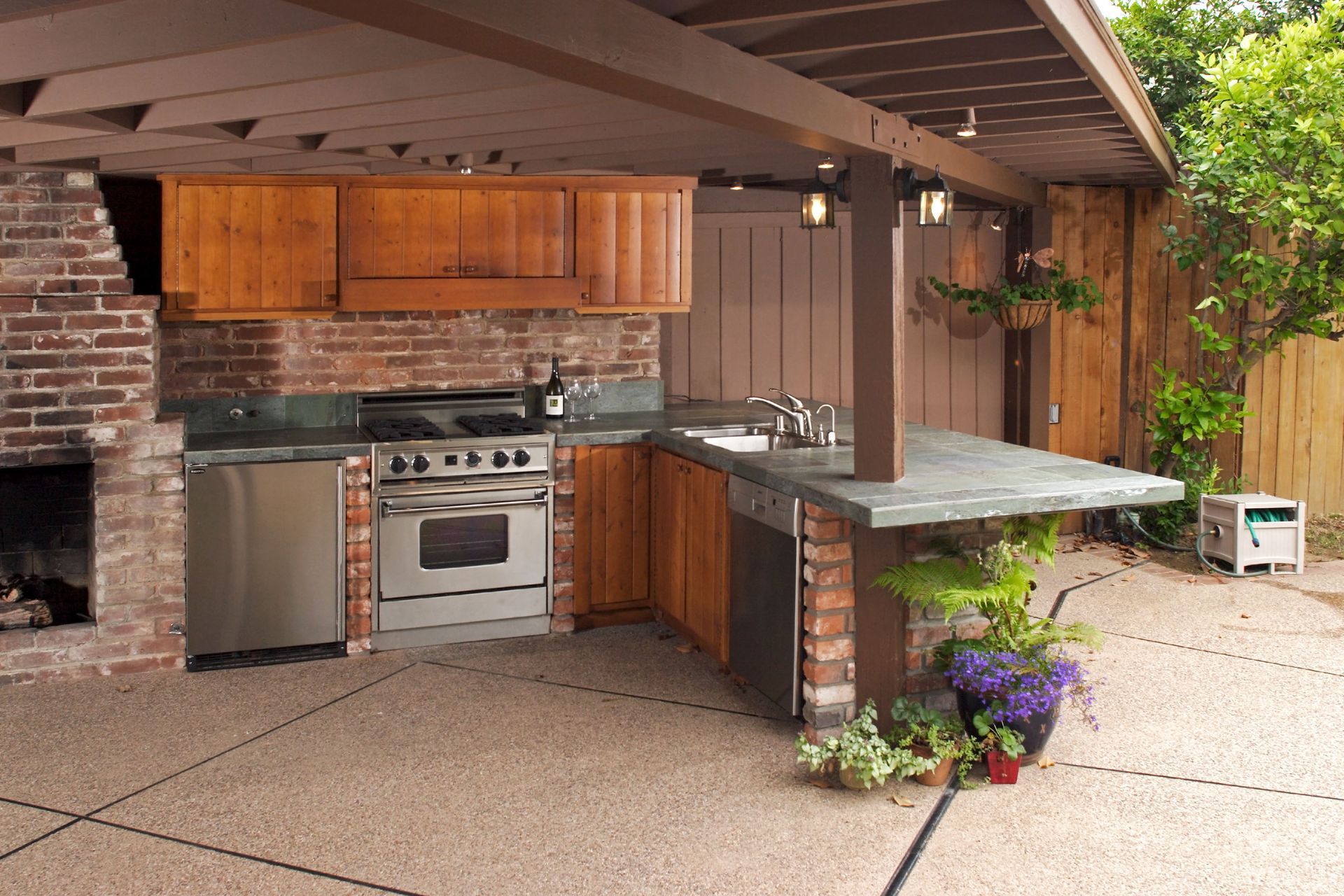
Patios, however, distribute heavy loads directly across compacted earth, making them ideal for elaborate outdoor kitchens, brick pizza ovens, and heavy fire pits. An experienced patio contractor can run underground gas, electrical, and plumbing lines beneath pavers during excavation, keeping utility lines hidden while powering your outdoor amenities. Integrating these utilities early seamlessly powers ambient hardscape lighting, infrared patio heaters, and sound systems without exposing unsightly cords or plumbing pipes.
Adapting the Layout for Climate and Seasonal Comfort
Local climate and seasonal weather patterns dictate how many months each year you can comfortably use your backyard. In regions with frequent rainfall or intense summer sun, overhead protection is vital. Decks can be sheltered with roof extensions or screened porches, and their elevated platforms allow cool breezes to circulate beneath the boards.
However, stone patios excel in thermal efficiency. Dense masonry absorbs solar heat throughout the day and gradually radiates warmth back into the evening air, extending outdoor comfort during chilly spring and autumn months. In snowy winter climates, durable paver surfaces also endure heavy snow clearing far better than delicate painted or stained decking.
Aligning the Project with Household Lifestyle Needs
The right foundation ultimately reflects your daily habits, personal recreation, and household dynamics. Families with energetic toddlers or pets often appreciate the contained security that perimeter deck railings provide. Elevated decks also keep feet off damp ground during wet spring months.
Conversely, ground-level hardscapes eliminate tripping hazards, steep stairways, and railing barriers, making them exceptionally friendly for guests of all ages and mobility levels. If you enjoy hosting large neighborhood gatherings, a ground-level entertaining zone easily expands outward into the lawn without concerns over structural weight limits. A creative patio contractor can establish distinct conversation, cooking, and dining zones tailored specifically to your family's daily lifestyle.
Partnering with an Experienced Building Professional
While enthusiastic DIY homeowners may consider tackling these builds, professional craftsmanship ensures safety, code compliance, and structural longevity. Deck building requires exact structural engineering, proper ledger flashing to prevent residential moisture damage, and code-approved structural fasteners. A failed deck framing joint poses serious safety hazards for family and guests.
Similarly, hardscape installations require commercial-grade excavation, sub-base stabilization, and mechanical compaction that manual labor cannot duplicate. A reputable patio contractor possesses specialized equipment, material expertise, and warranty protection, ensuring base layers never settle unevenly or collect standing water. Vetting contractors through verified portfolios and licenses protects your home investment and guarantees a seamless construction process from start to finish.
Selecting the Right Foundation for Your Outdoor Oasis
Choosing between a deck and a patio requires balancing site topography, financial goals, and personal lifestyle preferences. While an elevated deck bridges sloped terrain and offers elevated views, a well-designed paver surface delivers unmatched permanence, minimal maintenance, and timeless aesthetic beauty. If you are ready to enhance your home's exterior with exceptional hardscape design and skilled craftsmanship, contact the experienced patio contractor team at Cutting Edge Hardscapes today to schedule your consultation and bring your vision to life.