June 9, 2026
A well-designed outdoor area can make a home feel larger, more useful, and more inviting throughout the year. For many homeowners, a deck creates a natural extension of the indoor living space, giving family members and guests a comfortable place to relax, dine, cook, or enjoy the yard. However, the quality of the finished space depends on more than choosing attractive boards or deciding where outdoor furniture will go. Professional planning and construction help make the structure safer, more practical, and better suited to the property.
Professional deck installation also gives homeowners an opportunity to think carefully about how the outdoor space should support daily routines. A properly built deck can improve traffic flow, connect different areas of the yard, and create a defined place for gathering. When the work is handled by professionals, homeowners can make informed decisions about materials, placement, layout, drainage, and long-term upkeep before construction begins.
Improving Outdoor Layout
Every property has a different shape, grade, and relationship between the home and yard. A professional team can look at those details before recommending a design. This matters because a deck should feel connected to the home rather than added as an afterthought. Door placement, window views, stairs, walkways, landscaping, and sun exposure can all influence how the final layout works.
A thoughtful deck installation can help organize an outdoor space that once felt underused or disconnected. For example, a raised deck may create a smooth transition from a kitchen or living room to the backyard. A ground-level design may work better for homes with patios, gardens, or hardscaped areas nearby. The goal is not simply to add square footage, but to create a space that feels natural and convenient.
Professionals can also help homeowners avoid common layout issues. A deck that is too small may feel crowded, while one that is too large may overwhelm the yard. Poor stair placement can interrupt traffic flow or make the space harder to use. Careful planning helps balance comfort, access, privacy, and appearance.
Strengthening Everyday Function
A deck can serve many purposes, and those uses should guide the design from the beginning. Some homeowners want a quiet place for morning coffee. Others need space for a grill, dining table, lounge seating, or family gatherings. Professional input helps connect those goals to practical construction choices, including size, shape, railing style, and built-in features.
A professional deck installation can also support better zoning within an outdoor living area. A larger deck may include separate spaces for cooking, eating, and relaxing. Even a smaller deck can be designed with efficient furniture placement in mind. When professionals understand how the space will be used, they can recommend layouts that reduce crowding and make movement easier.
Function also includes details that are easy to overlook. Lighting, stairs, gates, seating walls, and access to nearby walkways can all affect how often the deck is used. A professional installer can help homeowners think beyond the basic platform and consider how each feature will support real daily use. This creates a finished space that feels intentional rather than limited.
Supporting Safer Construction
Safety is one of the most important reasons to work with professionals. A deck must be able to support people, furniture, and changing weather conditions. Posts, footings, beams, joists, fasteners, stairs, and railings all need to be installed correctly. Small mistakes in these areas can affect the strength and stability of the structure over time.
Professional deck installation helps ensure that construction follows proper standards and local requirements. Depending on the property, permits or inspections may be needed before or during the project. Experienced installers understand how to navigate those steps and build with structural performance in mind. This can give homeowners greater confidence that the deck is not only attractive, but also suitable for regular use.
Safe construction also depends on the surrounding property. Drainage, soil conditions, slope, and nearby hardscaping can influence how the deck should be supported. A professional team can assess these conditions before building, which helps reduce the risk of settling, shifting, or moisture-related issues. Proper construction protects both the deck and the home.
Choosing Materials With Purpose
Material selection affects appearance, maintenance, comfort, and long-term performance. Wood, composite, and other decking options each have different benefits. Some homeowners prefer the natural look of wood, while others want a lower-maintenance material that resists fading or staining. Professional guidance helps homeowners compare choices based on budget, climate, style, and upkeep expectations.
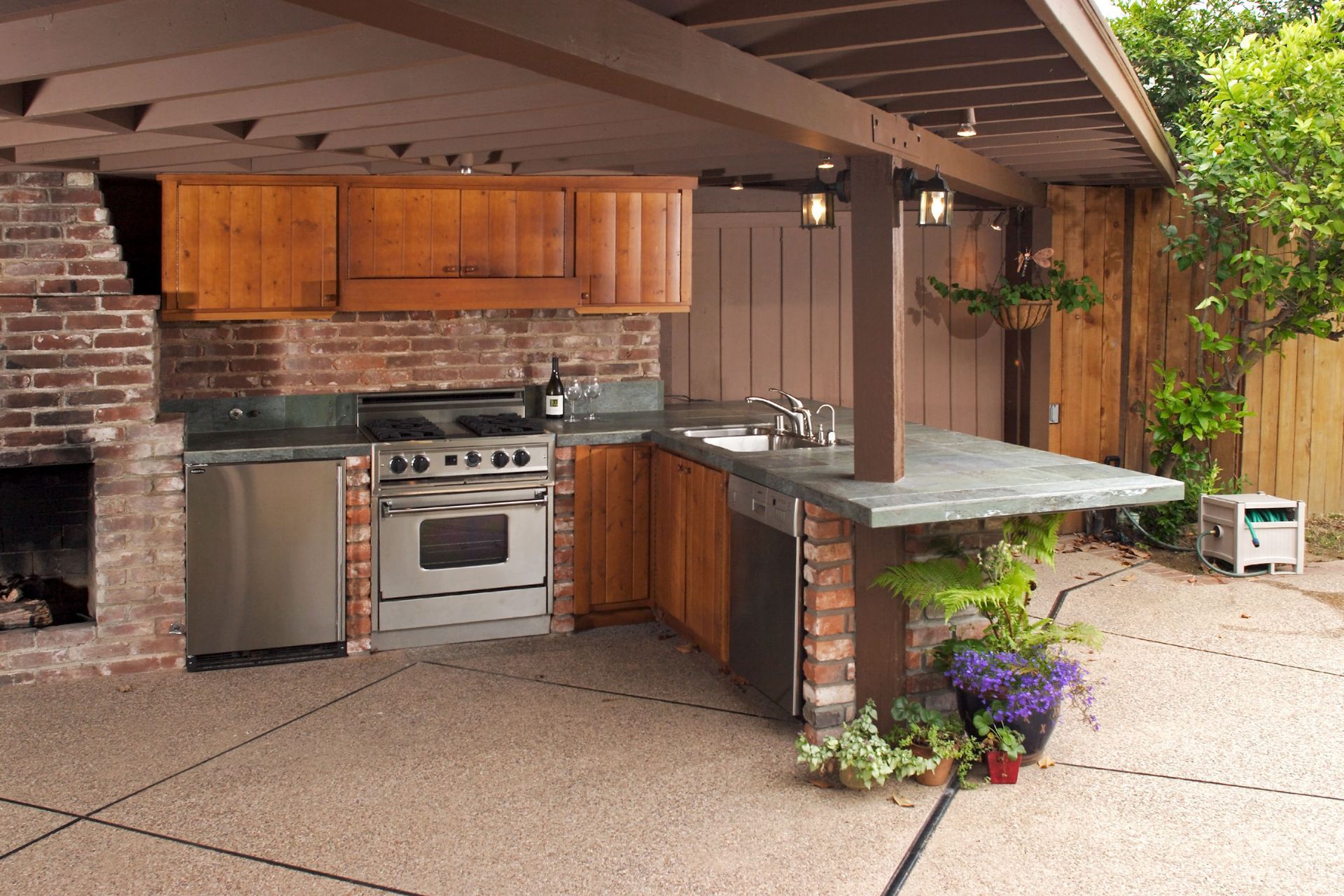
A deck installation project may also need to coordinate with surrounding hardscape features. Patios, walkways, retaining walls, outdoor kitchens, and seating areas can all influence the final design. According to Homelight, pavers can last as long as 100 years. While a deck and paver surface are different features, this shows why material planning matters across an entire outdoor living area. Durable choices can help homeowners create spaces that remain functional and visually appealing for many years.
Professionals can also recommend materials that work well together. Deck boards, railings, steps, trim, lighting, and nearby pavers should complement one another without competing for attention. When materials are selected with purpose, the finished area can feel cohesive and polished.
Protecting Long-Term Property Value
Outdoor improvements can make a home more enjoyable while also supporting curb appeal and resale potential. A professionally built deck can show buyers that the outdoor space was planned carefully and constructed with quality in mind. Even homeowners who are not planning to sell soon can benefit from an outdoor feature that adds comfort and usability.
A professional deck installation may also help reduce the need for costly corrections later. When a project is built without proper planning, homeowners may discover problems with drainage, spacing, stairs, railings, or materials after the work is complete. Fixing those issues can be more expensive and disruptive than addressing them during the design phase. Professional installation helps reduce that risk.
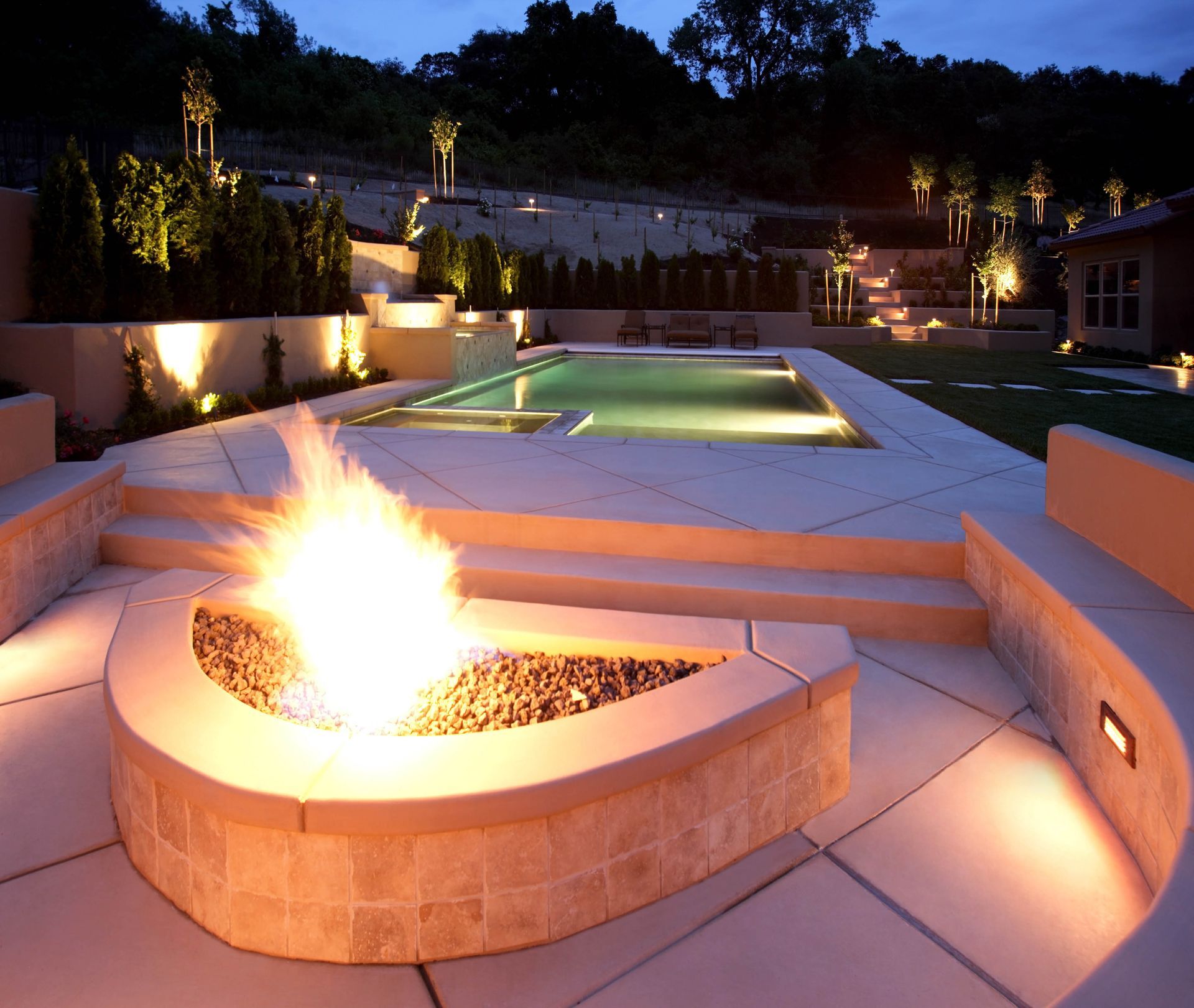
Long-term value is also connected to appearance. A deck that fits the home’s architecture and the yard’s layout can enhance the overall property. It can create a stronger first impression from the backyard and make the outdoor area feel finished. When paired with complementary hardscaping, landscaping, and lighting, the deck can become a central feature of the property.
Planning Care After Completion
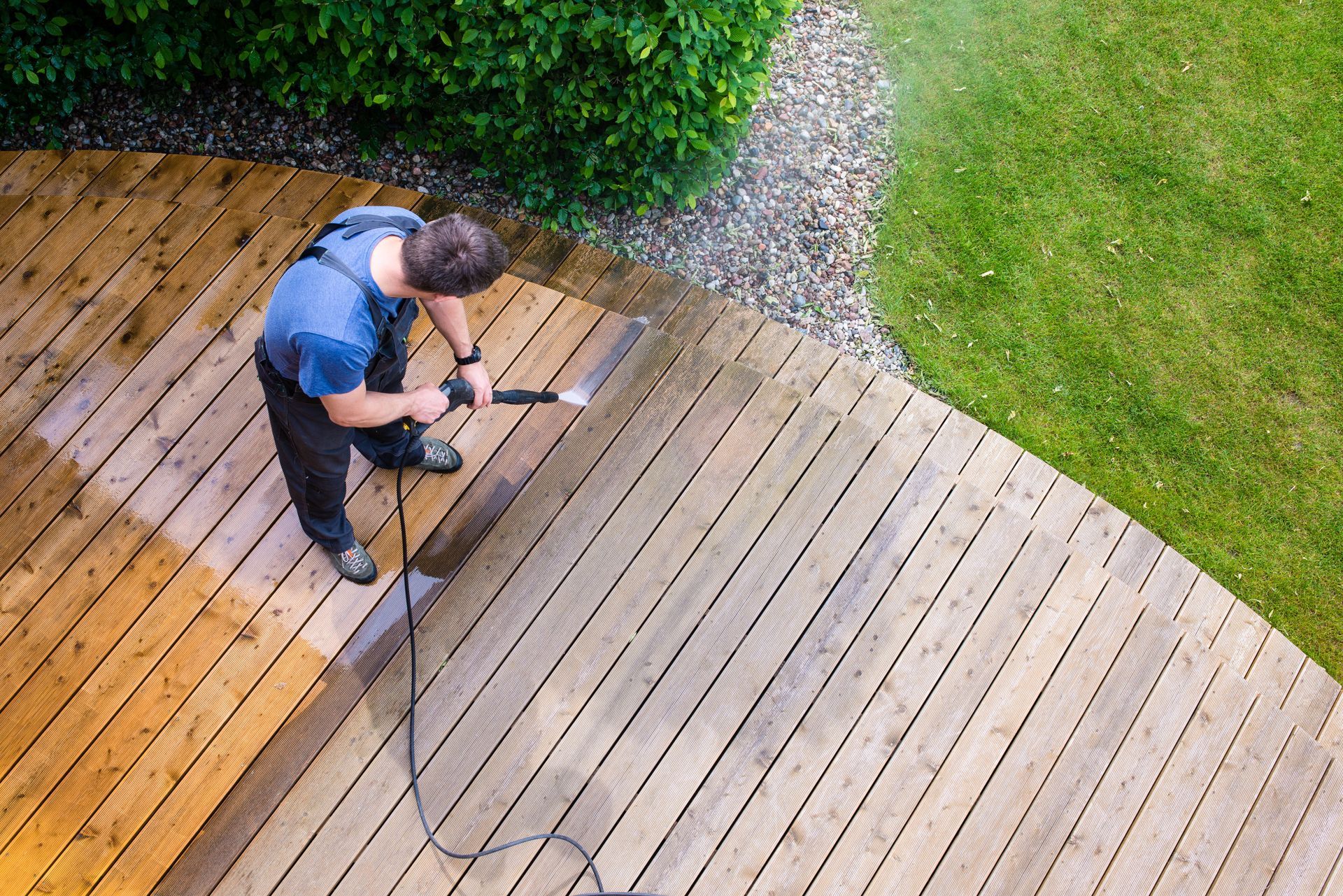
A deck needs proper care to keep it comfortable, safe, and attractive. Maintenance requirements depend on the materials used, the amount of sun exposure, and the local weather. Wood may need sealing or staining, while composite decking may require routine cleaning to remove dirt, pollen, or debris. Professional installers can explain these needs before the project is finished.
A professional deck installation should include a conversation about how to protect the structure over time. Homeowners should know how to clean the surface, inspect railings, clear leaves from gaps, and watch for signs of wear. These small habits can help prevent minor issues from becoming larger concerns. They also help the deck remain ready for regular use during warmer months.
Professional support can make the entire process easier, from planning to maintenance. Instead of guessing about layout, structure, materials, and care, homeowners can make decisions with guidance from people who understand outdoor construction. A well-built deck can improve comfort, support gatherings, and make the yard more practical for years to come. Call Cutting Edge Hardscapes today to schedule your hardscaping service.