Fire Features That Transform Your Backyard: From Fire Pits to Fireplaces

April 1, 2026

Explore the transformative power of fire features in your backyard. From creating a cozy atmosphere to serving as a stunning focal point, discover how elements like fire pits and fireplaces can enhance your outdoor space. Fire features have long been appreciated for their warmth and inviting allure. They're an ideal addition, bringing comfort and style. Whether you're hosting a gathering or seeking a serene evening under the stars, fire features blend seamlessly with any outdoor setting. Many homeowners also work with a professional hardscaping company to design and install features that complement their landscape and increase long-term value.


Understanding Fire Feature Fundamentals

Fire features bring together design, comfort, and function, making them a versatile addition to any outdoor space. Whether simple or elaborate, these elements can redefine how a backyard is used throughout the year. Homeowners often find that adding a fire feature extends outdoor usability into cooler seasons while creating a natural gathering point. With thoughtful planning, often guided by a hardscaping company, these features can integrate seamlessly into patios, gardens, and entertainment areas.


History of Fire Features in Outdoor Spaces

Fire has been central to human gatherings for millennia. Early civilizations used large fire pits as communal centers, a tradition that has evolved over centuries. In modern times, the concept of fire features has been refined to suit aesthetic and safety needs. This shift from necessity to luxury has allowed homeowners to incorporate beautifully crafted designs into their landscapes. Fire features now serve as both functional and decorative elements, linking past traditions with present-day innovation while enhancing outdoor lifestyles.


Types of Fire Features Overview

There is a wide variety of fire features tailored to different preferences and needs. Fire pits come in portable and permanent types, offering flexibility depending on space and style considerations. Outdoor fireplaces add an elegant and structured aesthetic, often becoming a focal point in larger spaces. Fire tables and fire bowls appeal to those seeking a modern touch with versatile applications. Each type of fire feature can be customized in terms of size, shape, and fuel type to meet individual desires, often with the guidance of a hardscaping company.


Material Selection and Durability

The materials selected for fire features significantly impact both durability and visual appeal. Common materials include stone, brick, and metal, each offering unique benefits. Stone and brick give a rustic feel and are highly resistant to heat, making them ideal for larger installations. Metals like steel and cast iron are favored for contemporary designs due to their sleek appearance and strength. Choosing the right material ensures the longevity of your fire feature, harmonizing with your backyard's overall design and climate conditions.


Fire Feature Safety Planning

Safety is paramount when installing backyard fire features. It's essential to maintain a safe distance between the fire feature and flammable materials, such as wooden structures or furniture. Installing a sturdy barrier or screen around the fire feature can prevent accidents. It's also crucial to ensure proper ventilation, especially if using gas or alternative fuels. Regular maintenance checks and adhering to local regulations can prevent risks and prolong the life of your fire feature while keeping your outdoor space secure.


Budgeting and Project Planning

When planning a fire feature, setting a budget is essential. Costs can vary significantly based on the type, materials, and complexity of the installation. Portable fire pits are generally more affordable, while permanent structures like outdoor fireplaces require a more substantial investment. However, according to Forbes, a permanent fire pit offers an ROI of 56%, making it a worthwhile consideration for added home value. Many homeowners partner with a hardscaping company to create a design that balances cost, aesthetics, and long-term durability.


Fire Pit Design and Functionality

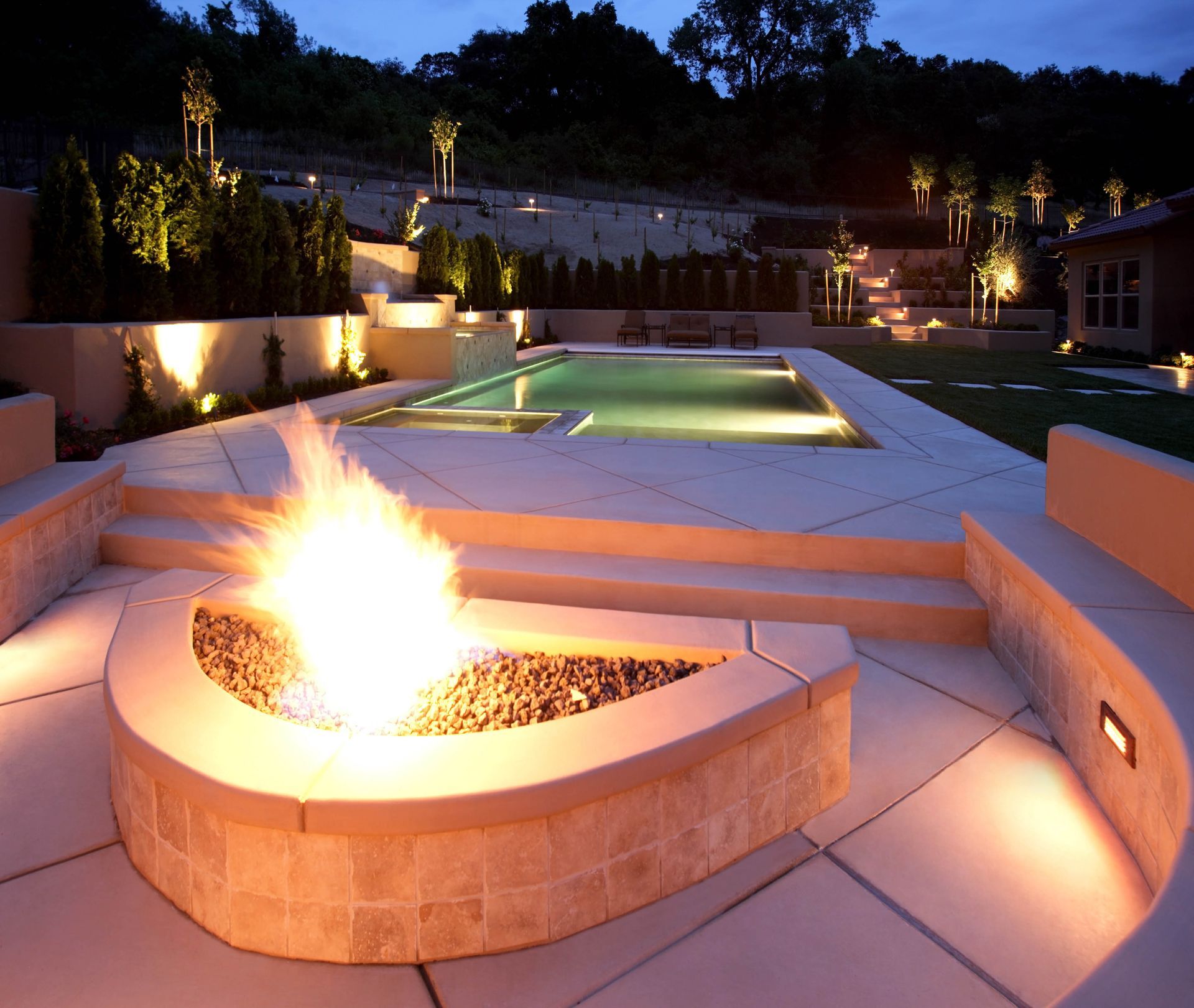
Fire pits are among the most popular outdoor features due to their versatility and accessibility. They can be customized to suit nearly any backyard size or layout. From casual seating areas to more structured entertainment zones, fire pits adapt easily to different design goals. Their ability to provide warmth and ambiance makes them a practical addition for both everyday use and special occasions.


Portable and Permanent Fire Pit Options

Fire pits come in two main categories: portable and permanent. Portable fire pits are ideal for homeowners who prefer flexibility in their outdoor arrangement. They're easy to relocate and can adapt to changing seasonal needs. Permanent fire pits, on the other hand, are integrated into the landscape, offering a consistent and stable focal point in your yard. Choosing between portable and permanent depends on personal preference, budget, and the overall design of your outdoor area.


Fire Pit Materials and Construction

The material choice for constructing a fire pit can define its durability and style. Stone and brick are traditional choices, known for their ability to withstand high temperatures and weather elements. Metal, particularly cast iron and steel, is favored for portable models due to its lightweight and sleek design. Some modern fire pits incorporate glass or concrete for a unique aesthetic. Each material has its benefits, and the right choice depends on the desired look and functionality of the fire pit.


Fuel Options and Performance

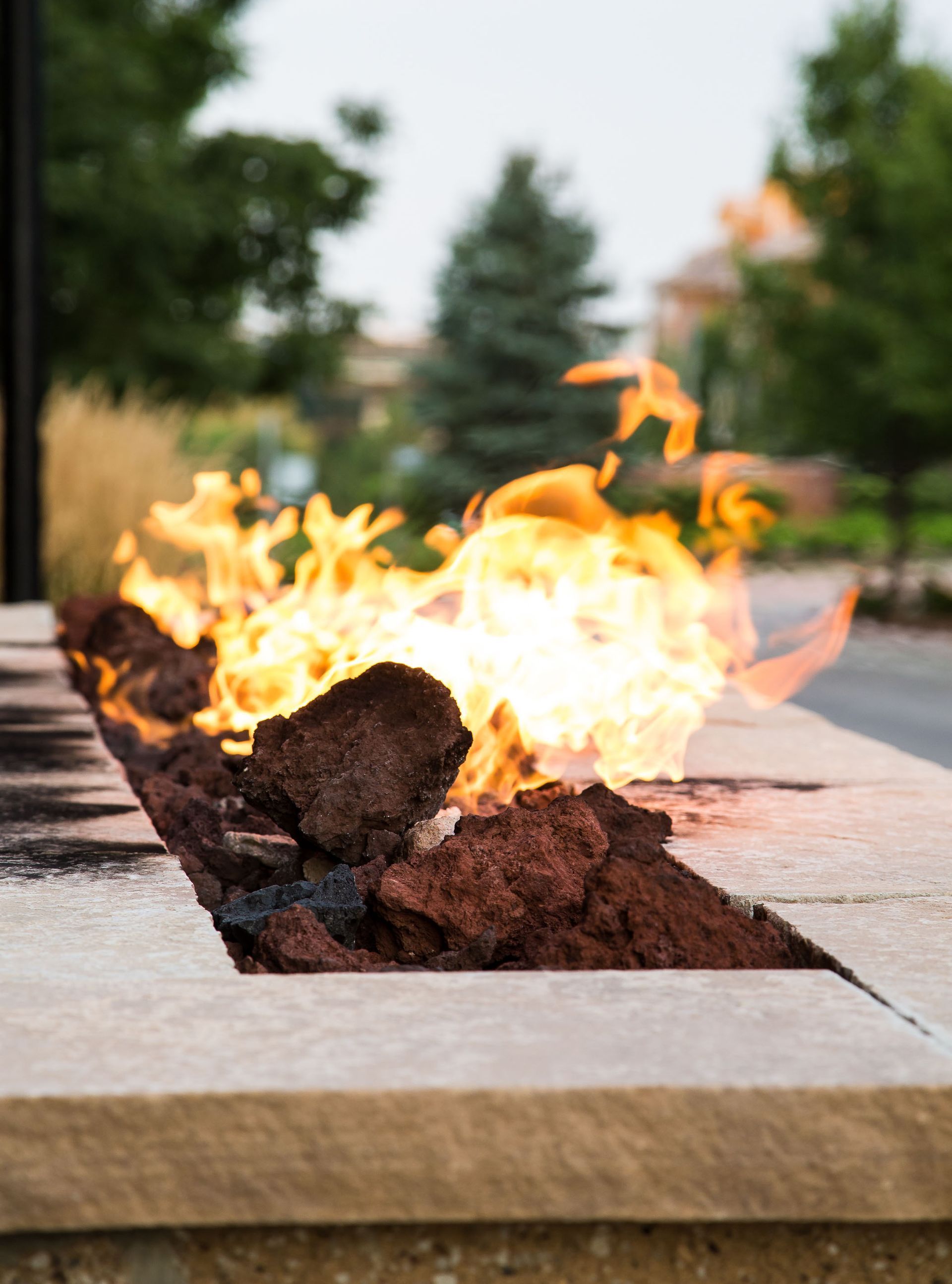
Fuel choice is another critical aspect of fire pit selection. Wood-burning pits provide a classic experience, with the crackling of logs creating an authentic campfire ambiance. Gas fire pits, available in natural gas or propane, offer convenience with easy ignition and a smokeless environment. Alternative fuels, such as ethanol, are becoming popular for their minimal environmental impact. Each fuel type requires different maintenance and operation methods but can significantly enhance the usability of your fire pit.


Creative Fire Pit Design Ideas

Design options for fire pits are as diverse as the homeowners who install them. Rustic settings may benefit from a stone or brick pit, echoing natural surroundings. Modern patios might showcase sleek metal designs with geometric shapes. For smaller spaces, tabletop fire pits offer a compact yet appealing option. Custom designs can incorporate personal touches, ensuring the fire pit complements the overall aesthetic of the outdoor area. A skilled hardscaping company can help bring these custom ideas to life with precision and expertise.


Fire Pit Maintenance Practices

Proper maintenance is crucial for extending the lifespan of a fire pit. Regular cleaning of debris and ash ensures efficient combustion and safety. Covering the fire pit when not in use protects it from the elements, especially during harsh weather conditions. Using a high-quality sealant can preserve the material of the pit from wear and tear. Routine inspections for damage or rust can prevent minor issues from escalating, and consulting a hardscaping company for seasonal maintenance can be beneficial.


Outdoor Fireplace Enhancements

Outdoor fireplaces provide a sense of elegance and sophistication to any backyard space. They serve not only as a heat source but also as a striking architectural element. Gathering around an outdoor fireplace can create a cozy and intimate setting for family or social gatherings. They often anchor a patio or outdoor living area, enhancing the value of the property. Additionally, they can be used year-round, offering enjoyment despite seasonal changes.


Fire features have a remarkable ability to transform backyards into inviting and stylish retreats. From fire pits to fireplaces, these elements enhance both aesthetics and functionality, offering warmth and ambiance. By selecting designs and materials that align with personal preferences and environmental considerations, homeowners can create cherished outdoor spaces. As fire features continue to evolve, they provide exciting opportunities for innovative and sustainable living. Working with a trusted hardscaping company can help bring these ideas together, ensuring a cohesive design that enhances both beauty and usability for years to come. Contact Cutting Edge Hardscapes today and learn more about our hardscaping services.
hardscaping company
February 20, 2026
Struggling to make the most of a small backyard with a hardscaping company? Discover smart layout ideas that maximize space, function, and long-term value.
February 2, 2026
By carefully planning, designing, and maintaining your fire pit with a skilled local hardscaping company, you can create a cozy outdoor retreat.
hardscaping contractor
January 22, 2026
Investing in the right retaining wall leads to a healthier, more resilient, and more visually appealing landscape. Here's how a hardscaping contractor can help.
hardscaping company
January 15, 2026
Are you looking for ways a hardscaping company can improve the function and beauty of your home? Check out this article and give us a call today to learn more!
hardscaping service
November 12, 2025
Whether you’re investing in a brand-new patio or installing a retaining wall, choosing the right hardscaping service makes all the difference.
November 11, 2025
Hardscaping plays an integral role in landscape design, setting the framework for the softscape elements like plants and trees. By understanding and choosing the right materials, you can create a garden that isn't only beautiful but also functional and sustainable. It's critical to evaluate factors such as your local climate, soil type, and personal garden goals when selecting these materials. Additionally, with the right choices, you can significantly influence the overall ambiance and maintenance requirements of your outdoor space. Evaluating Your Garden's Needs Climate is a vital consideration in choosing hardscaping materials. Certain materials withstand different weather conditions better than others. If you live in an area with harsh winters, materials like brick or natural stone, which are less likely to crack under frost, might be more suitable. Alternatively, areas with heavy rainfall would benefit from permeable materials that facilitate water drainage, preventing flooding and erosion. Therefore, understanding your climate helps in selecting materials that not only enhance the aesthetic appeal but also ensure durability. Your garden's soil type can greatly influence the choice of hardscaping materials. Heavier soils like clay provide different challenges compared to sandy or loamy soils. Drainage can be a concern with clay; thus, materials with better permeability or constructions that include proper drainage planning are essential. On sandy soils, stability can be an issue, so heavier, bulkier materials like large stones or concrete might offer the necessary stability. Recognizing the interplay between soil type and material choice can mitigate long-term maintenance issues and structural failures. The purpose of your garden influences the choice of hardscaping materials significantly. A garden designed for relaxation might prioritize aesthetics and comfort, suggesting the use of soft and inviting materials like wood for decking. For a garden meant for entertaining, durable and spacious materials like concrete patios can provide the needed space and robustness. Similarly, a garden focused on food production would benefit from utilitarian materials that offer functionality and ease of navigation, such as gravel paths. Defining the garden's primary purposes clarifies the material selection process by ensuring alignment with your usability needs. Considering the maintenance requirements of different materials is crucial in planning your hardscape. Some materials, such as natural stone or brick, may require more maintenance, including cleaning and repairs, compared to others like composite materials that require minimal upkeep. Evaluate your willingness and capacity for maintenance, as this will guide you toward the best possible solutions that ensure long-term satisfaction. According to The Spruce, about 60% to 80% of a project budget goes to materials, while the rest is spent on labor, indicating the significance of choosing materials that align with your maintenance capabilities. Balancing aesthetics and practicality, while factoring in ongoing care, can lead to a less stressful and more sustainable garden experience. Selecting Hardscaping Materials Natural stone is a popular choice due to its timeless beauty and durability. Granite, limestone, and slate offer various aesthetic options, each with unique textures and colors. The natural variation in stone ensures that no two installations are ever the same, adding a custom look to your garden. Despite its beauty, natural stone can be more expensive than other materials, both in terms of initial cost and installation labor. However, the investment often pays off in longevity and minimal long-term maintenance requirements. Brick is valued for its classic look and enduring quality in garden designs. It's incredibly versatile, suitable for paving paths, constructing walls, and even creating raised beds. Bricks can withstand heavy foot traffic and various weather conditions, offering a balance between durability and aesthetic appeal. Maintenance usually involves occasional power washing or replacing damaged bricks, making it relatively low upkeep. This traditional material can blend seamlessly with many architectural styles, enhancing both historical and contemporary gardens. Concrete offers a cost-effective, practical solution for many hardscaping projects. Its versatility allows for a wide range of finishes and colors, from polished and smooth to rough and exposed aggregate, mimicking other materials like stone or tile. Its strength makes it ideal for structural elements, such as retaining walls or patios, that must withstand significant weight and pressure. Although generally affordable, concrete requires skilled installation to avoid cracking and to achieve a desirable finish. Regular sealing can enhance its longevity by preventing moisture penetration and staining. Wood provides a warm, natural feel and is often used for features like decks, pergolas, or garden furniture. Its versatility lies in its vast range of types, from softwoods like pine to more durable hardwoods like teak and cedar, each offering different resistance to weather and wear. Treatments such as staining, painting, or sealing can further increase its durability and aesthetic lifespan, requiring ongoing maintenance. While wood can be susceptible to issues such as rot or pest damage, proper care and treatment can extend its usability significantly. This renewable resource is ideal for creating a cozy, inviting atmosphere in your garden. Designing for Aesthetic Impact Your garden's hardscaping should complement the architectural style of your home for a cohesive appearance. Materials selected should echo themes, colors, or textures found in your house's exterior to establish visual harmony. For instance, a contemporary home might benefit from sleek, polished concrete surfaces, whereas a rustic cottage-style home might pair well with cobblestone or weathered wood elements. This harmony between home and garden not only enhances aesthetics but also contributes to a unified living space that feels expansive and connected. Thoughtful matching ensures the garden looks like an extension of your home, not a disparate addition. Color and texture play significant roles in the overall aesthetic of your hardscape. Light colors like whites and creams can make a space feel larger, while darker shades might offer a feeling of warmth and intimacy. Textures ranging from smooth to rough interact with light differently, adding depth and tactile appeal to your garden. Combining various colors and textures, such as a smooth stone pathway surrounded by coarse wood mulch, can create striking visual contrast. Choosing the right mix can create a pleasing sensory experience that aligns with your mood and design objectives. Strategic use of hardscaping materials can highlight architectural features or create focal points within your garden. Elements like a stunning stone fountain, an intricately patterned footpath, or a unique sculpture can serve as eye-catching features. Such focal points draw attention and add interest, often encouraging exploration and engagement with the space. The material choice, whether it's dramatic black slate or cozy, weathered brick, should be carefully considered to ensure it attracts visual interest effectively. Balancing these focal points with surrounding landscapes ensures they complement rather than overpower the garden. A successful garden design integrates hardscape and softscape elements to create a seamless transition between the built and natural environment. Consider how your chosen materials can enhance plant life, such as stone pathways meandering through dense greenery or wooden pergolas supporting blooming vines. This blend of natural and architectural elements can soften the look of hardscapes while adding texture and color through plants. Ensuring compatibility between hardscape and softscape elements gives a sense of cohesion and flow throughout the garden. Choosing the right hardscaping materials involves careful consideration of various factors, including functionality, aesthetics, budget, and environmental impact. By understanding the interplay of these factors, you can tailor your choices to meet specific needs and preferences while ensuring a beautiful, durable outcome. Armed with this detailed knowledge, you have the tools to craft a harmonious design. For professional hardscaping expertise and custom solutions, visit Cutting Edge Hardscapes to start your project today.
hardscaping
October 28, 2025
Discover how hardscaping boosts home value and transforms outdoor spaces with patios, pathways, retaining walls, and lighting that add beauty and functionality.
hardscape design
October 22, 2025
Transform your yard with creative hardscape design ideas. Discover how patios, walkways, and water features can elevate beauty, function, and property value.
hardscaping contractor
August 12, 2025
Here are key ways that a hardscaping contractor can complement your outdoor kitchen and help you create a backyard oasis that’s beautiful and built to last.
hardscaping contractors
January 6, 2025
Whether you're adding a new patio or retaining wall, a successful hardscaping project requires meticulous planning and the help of hardscaping contractors.