5 Signs You Need a Retaining Wall

January 22, 2026

Retaining walls play a critical role in promoting both functionality and aesthetic value within a landscape. They help prevent soil erosion, manage water movement, and improve the usability of sloped or uneven land. When these issues arise, working with a skilled hardscaping contractor can prevent structural damage while transforming difficult terrain into stable, attractive, and functional outdoor space. Recognizing the signs that your property may require a retaining wall helps protect your investment and maintain long-term landscape health.


1. Erosion Issues on Your Property

1.1 Visible Soil Loss

Visible soil loss signals a problem with landscape stability. Erosion gradually undermines foundations, hardscapes, and vegetation, often caused by wind, rainfall, and runoff. A hardscaping contractor can install a retaining wall that holds soil in place, prevents further degradation, and restores grade stability. By controlling erosion, retaining walls preserve long-term soil health and structural integrity.


1.2 Exposed Tree Roots

Exposed roots suggest the soil around your trees is thinning due to erosion. Without proper coverage, trees lose nutrients and stability, making them more vulnerable to decline or uprooting. A hardscaping contractor can design a retaining wall that restores soil coverage around root systems, protecting vegetation and promoting healthier growth. This strengthens the surrounding landscape and prevents further damage.


1.3 Water Runoff Patterns

Unusual or aggressive water runoff patterns accelerate erosion and soil displacement. Without intervention, runoff can carve channels, weaken land stability, and redirect water toward vulnerable areas. A hardscaping contractor can install retaining walls that redirect and manage water movement, reducing runoff velocity and protecting topsoil from washing away.


1.4 Reduced Land Usability

As erosion expands, areas of your yard may become uneven or hazardous. Slopes may steepen, flat spaces may shrink, and outdoor activity areas may become unusable. A retaining wall built by an experienced hardscaping contractor restores functional space by leveling slopes and defining boundaries, allowing you to reclaim land for recreation, gardens, or pathways.


1.5 Foundation Damage

Erosion near the foundation is a serious concern. Shifting soil can destabilize the structure, leading to cracks or costly repairs. A hardscaping contractor can install a retaining wall to protect foundations by supporting surrounding soil and preventing washout. According to This Old House, with proper maintenance, concrete and stone retaining walls can last between 50 and 100 years, making them a long-term solution for foundation stability and landscape protection.


2. Poor Water Drainage

2.1 Persistent Water Pooling

If water repeatedly pools in your yard, drainage issues may be affecting soil stability. Standing water damages grass, attracts pests, and contributes to erosion. A hardscaping contractor can design retaining walls with built-in drainage systems that redirect water away from problem areas and improve yard usability.


2.2 Waterlogged Soil

Constantly saturated soil cannot support plant growth and may compact over time. Retaining walls installed by a knowledgeable hardscaping contractor distribute water more evenly across the landscape, helping prevent oversaturation and promoting healthier soil conditions.


2.3 Soggy Lawn Patches

Soggy lawn patches may indicate improper grading or water flow. Retaining walls help create predictable water paths, eliminating excess moisture in certain areas. A hardscaping contractor can assess grading issues and install walls that encourage even drainage, leading to stronger and more attractive lawn growth.


2.4 Basement Flooding

If runoff directs water toward your home, basement flooding can occur. A well-placed retaining wall designed by a hardscaping contractor prevents water from flowing into the foundation and stabilizes the surrounding soil. This reduces moisture-related damage and mold risks.


2.5 Damage to Outdoor Structures

Excess water can damage patios, walkways, and driveways. Retaining walls protect these structures by stabilizing surrounding soil and redirecting water. A hardscaping contractor can build retaining systems that preserve structural integrity and reduce long-term repair needs.


3. Inconsistent Land Levels

3.1 Sloped Terrain

Steep slopes can erode quickly and restrict usable space. Retaining walls stabilize slopes and create flat surfaces for planting, recreation, or construction. A hardscaping contractor can design these walls to enhance safety and transform difficult terrain into functional space.


3.2 Uneven Backyard

An uneven backyard limits landscaping potential and creates tripping hazards. Retaining walls create defined terraces and improve structure, access, and aesthetics. A hardscaping contractor can evaluate your yard’s layout and build walls that produce smoother, more usable transitions.


3.3 Property Subsidence

Subsidence occurs when the ground begins to sink or shift, harming foundations and hardscaping. A hardscaping contractor can install retaining walls to stabilize the soil, prevent further movement, and restore ground integrity.


3.4 Terrace Construction

Terraces rely on retaining walls for support and stability. A hardscaping contractor can create beautifully tiered outdoor spaces ideal for gardens, seating areas, or pathways while ensuring long-term structural reliability.


3.5 Hazardous Drop-Offs

Sudden elevation changes create safety risks and reduce overall property usability. Retaining walls installed by a hardscaping contractor soften these transitions and create safer slopes, improving both function and aesthetic appeal.


4. Landscaping Enhancements

4.1 Increased Garden Space

Retaining walls allow sloped land to be terraced into usable garden beds. A hardscaping contractor can design these beds to support soil, improve plant growth, and add visual structure to your landscape.


4.2 Aesthetic Improvements

Retaining walls serve as both functional and decorative features. Whether using stone, concrete, or timber, a hardscaping contractor can match materials to your home’s style and enhance curb appeal.


4.3 Structured Planting Beds

Walls create raised garden beds that improve soil control, drainage, and organization. A hardscaping contractor can build structured planting areas tailored to your landscape vision, improving both accessibility and visual balance.


4.4 Outdoor Living Spaces

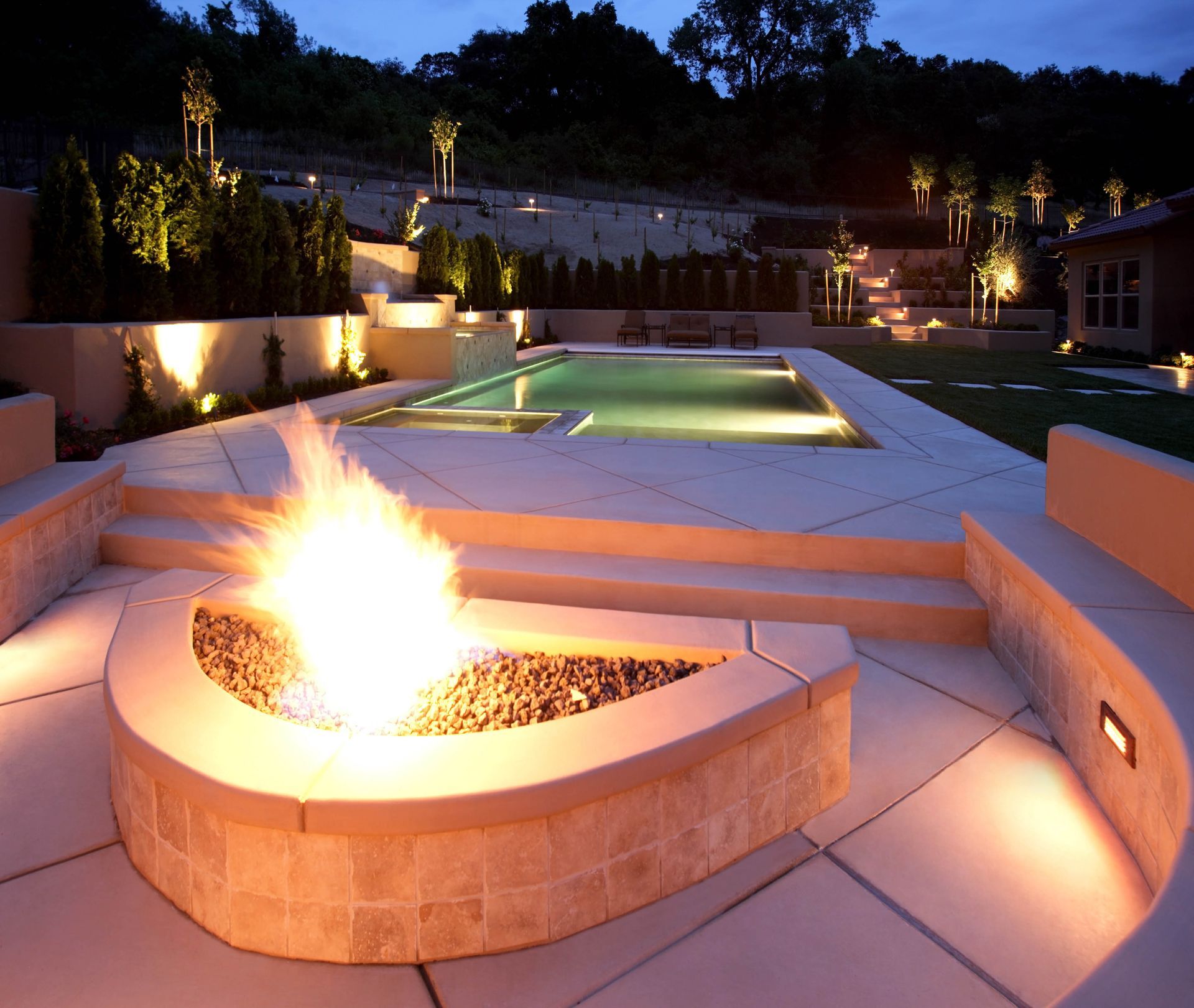
Retaining walls help form the foundation for patios, fire pits, and seating zones. A professional hardscaping contractor can design walls that define these spaces and support long-term use.


4.5 Environmental Sustainability

Retaining walls help support eco-friendly landscaping by reducing erosion, managing runoff, and promoting soil health. A hardscaping contractor can incorporate sustainable design elements, such as rain gardens or native plantings, into retaining wall projects.


5. Soil Stability Concerns

5.1 Signs of Settlement

Depressions or sinking ground indicate soil settlement. Retaining walls installed by a skilled hardscaping contractor prevent further sinking and stabilize the landscape for improved safety.


5.2 Cracks in Soil

Cracked soil often signals instability. A hardscaping contractor can design a retaining wall that preserves soil moisture balance, prevents erosion, and supports plant health.


5.3 Soil Slump

Soil slump occurs when ground shifts downhill. Retaining walls built by a qualified hardscaping contractor help stop this movement and secure your property against collapse risks.


5.4 Historical Landslides

If your property has experienced landslides, retaining walls offer essential reinforcement. A hardscaping contractor can install protective barriers that anchor soil layers and reduce future risk.


5.5 Slope Movement Indicators

Signs of slope movement—such as bulging ground or shifting slopes—require immediate attention. A hardscaping contractor can stabilize the terrain with retaining walls and prevent further displacement.


A retaining wall provides practical, structural, and aesthetic benefits that protect your landscape from erosion, water issues, and instability. By identifying these signs early, you can prevent long-term damage, improve property functionality, and enhance long-term value. Working with a knowledgeable hardscaping contractor ensures your retaining wall is designed and installed properly for lasting performance. Investing in the right retaining wall results in a healthier, more resilient, and more visually appealing landscape for years to come. Call Cutting Edge Hardscapes today to learn more.
hardscaping company
January 15, 2026
Are you looking for ways a hardscaping company can improve the function and beauty of your home? Check out this article and give us a call today to learn more!
hardscaping service
November 12, 2025
Whether you’re investing in a brand-new patio or installing a retaining wall, choosing the right hardscaping service makes all the difference.
November 11, 2025
Hardscaping plays an integral role in landscape design, setting the framework for the softscape elements like plants and trees. By understanding and choosing the right materials, you can create a garden that isn't only beautiful but also functional and sustainable. It's critical to evaluate factors such as your local climate, soil type, and personal garden goals when selecting these materials. Additionally, with the right choices, you can significantly influence the overall ambiance and maintenance requirements of your outdoor space. Evaluating Your Garden's Needs Climate is a vital consideration in choosing hardscaping materials. Certain materials withstand different weather conditions better than others. If you live in an area with harsh winters, materials like brick or natural stone, which are less likely to crack under frost, might be more suitable. Alternatively, areas with heavy rainfall would benefit from permeable materials that facilitate water drainage, preventing flooding and erosion. Therefore, understanding your climate helps in selecting materials that not only enhance the aesthetic appeal but also ensure durability. Your garden's soil type can greatly influence the choice of hardscaping materials. Heavier soils like clay provide different challenges compared to sandy or loamy soils. Drainage can be a concern with clay; thus, materials with better permeability or constructions that include proper drainage planning are essential. On sandy soils, stability can be an issue, so heavier, bulkier materials like large stones or concrete might offer the necessary stability. Recognizing the interplay between soil type and material choice can mitigate long-term maintenance issues and structural failures. The purpose of your garden influences the choice of hardscaping materials significantly. A garden designed for relaxation might prioritize aesthetics and comfort, suggesting the use of soft and inviting materials like wood for decking. For a garden meant for entertaining, durable and spacious materials like concrete patios can provide the needed space and robustness. Similarly, a garden focused on food production would benefit from utilitarian materials that offer functionality and ease of navigation, such as gravel paths. Defining the garden's primary purposes clarifies the material selection process by ensuring alignment with your usability needs. Considering the maintenance requirements of different materials is crucial in planning your hardscape. Some materials, such as natural stone or brick, may require more maintenance, including cleaning and repairs, compared to others like composite materials that require minimal upkeep. Evaluate your willingness and capacity for maintenance, as this will guide you toward the best possible solutions that ensure long-term satisfaction. According to The Spruce, about 60% to 80% of a project budget goes to materials, while the rest is spent on labor, indicating the significance of choosing materials that align with your maintenance capabilities. Balancing aesthetics and practicality, while factoring in ongoing care, can lead to a less stressful and more sustainable garden experience. Selecting Hardscaping Materials Natural stone is a popular choice due to its timeless beauty and durability. Granite, limestone, and slate offer various aesthetic options, each with unique textures and colors. The natural variation in stone ensures that no two installations are ever the same, adding a custom look to your garden. Despite its beauty, natural stone can be more expensive than other materials, both in terms of initial cost and installation labor. However, the investment often pays off in longevity and minimal long-term maintenance requirements. Brick is valued for its classic look and enduring quality in garden designs. It's incredibly versatile, suitable for paving paths, constructing walls, and even creating raised beds. Bricks can withstand heavy foot traffic and various weather conditions, offering a balance between durability and aesthetic appeal. Maintenance usually involves occasional power washing or replacing damaged bricks, making it relatively low upkeep. This traditional material can blend seamlessly with many architectural styles, enhancing both historical and contemporary gardens. Concrete offers a cost-effective, practical solution for many hardscaping projects. Its versatility allows for a wide range of finishes and colors, from polished and smooth to rough and exposed aggregate, mimicking other materials like stone or tile. Its strength makes it ideal for structural elements, such as retaining walls or patios, that must withstand significant weight and pressure. Although generally affordable, concrete requires skilled installation to avoid cracking and to achieve a desirable finish. Regular sealing can enhance its longevity by preventing moisture penetration and staining. Wood provides a warm, natural feel and is often used for features like decks, pergolas, or garden furniture. Its versatility lies in its vast range of types, from softwoods like pine to more durable hardwoods like teak and cedar, each offering different resistance to weather and wear. Treatments such as staining, painting, or sealing can further increase its durability and aesthetic lifespan, requiring ongoing maintenance. While wood can be susceptible to issues such as rot or pest damage, proper care and treatment can extend its usability significantly. This renewable resource is ideal for creating a cozy, inviting atmosphere in your garden. Designing for Aesthetic Impact Your garden's hardscaping should complement the architectural style of your home for a cohesive appearance. Materials selected should echo themes, colors, or textures found in your house's exterior to establish visual harmony. For instance, a contemporary home might benefit from sleek, polished concrete surfaces, whereas a rustic cottage-style home might pair well with cobblestone or weathered wood elements. This harmony between home and garden not only enhances aesthetics but also contributes to a unified living space that feels expansive and connected. Thoughtful matching ensures the garden looks like an extension of your home, not a disparate addition. Color and texture play significant roles in the overall aesthetic of your hardscape. Light colors like whites and creams can make a space feel larger, while darker shades might offer a feeling of warmth and intimacy. Textures ranging from smooth to rough interact with light differently, adding depth and tactile appeal to your garden. Combining various colors and textures, such as a smooth stone pathway surrounded by coarse wood mulch, can create striking visual contrast. Choosing the right mix can create a pleasing sensory experience that aligns with your mood and design objectives. Strategic use of hardscaping materials can highlight architectural features or create focal points within your garden. Elements like a stunning stone fountain, an intricately patterned footpath, or a unique sculpture can serve as eye-catching features. Such focal points draw attention and add interest, often encouraging exploration and engagement with the space. The material choice, whether it's dramatic black slate or cozy, weathered brick, should be carefully considered to ensure it attracts visual interest effectively. Balancing these focal points with surrounding landscapes ensures they complement rather than overpower the garden. A successful garden design integrates hardscape and softscape elements to create a seamless transition between the built and natural environment. Consider how your chosen materials can enhance plant life, such as stone pathways meandering through dense greenery or wooden pergolas supporting blooming vines. This blend of natural and architectural elements can soften the look of hardscapes while adding texture and color through plants. Ensuring compatibility between hardscape and softscape elements gives a sense of cohesion and flow throughout the garden. Choosing the right hardscaping materials involves careful consideration of various factors, including functionality, aesthetics, budget, and environmental impact. By understanding the interplay of these factors, you can tailor your choices to meet specific needs and preferences while ensuring a beautiful, durable outcome. Armed with this detailed knowledge, you have the tools to craft a harmonious design. For professional hardscaping expertise and custom solutions, visit Cutting Edge Hardscapes to start your project today.
hardscaping
October 28, 2025
Discover how hardscaping boosts home value and transforms outdoor spaces with patios, pathways, retaining walls, and lighting that add beauty and functionality.
hardscape design
October 22, 2025
Transform your yard with creative hardscape design ideas. Discover how patios, walkways, and water features can elevate beauty, function, and property value.
hardscaping contractor
August 12, 2025
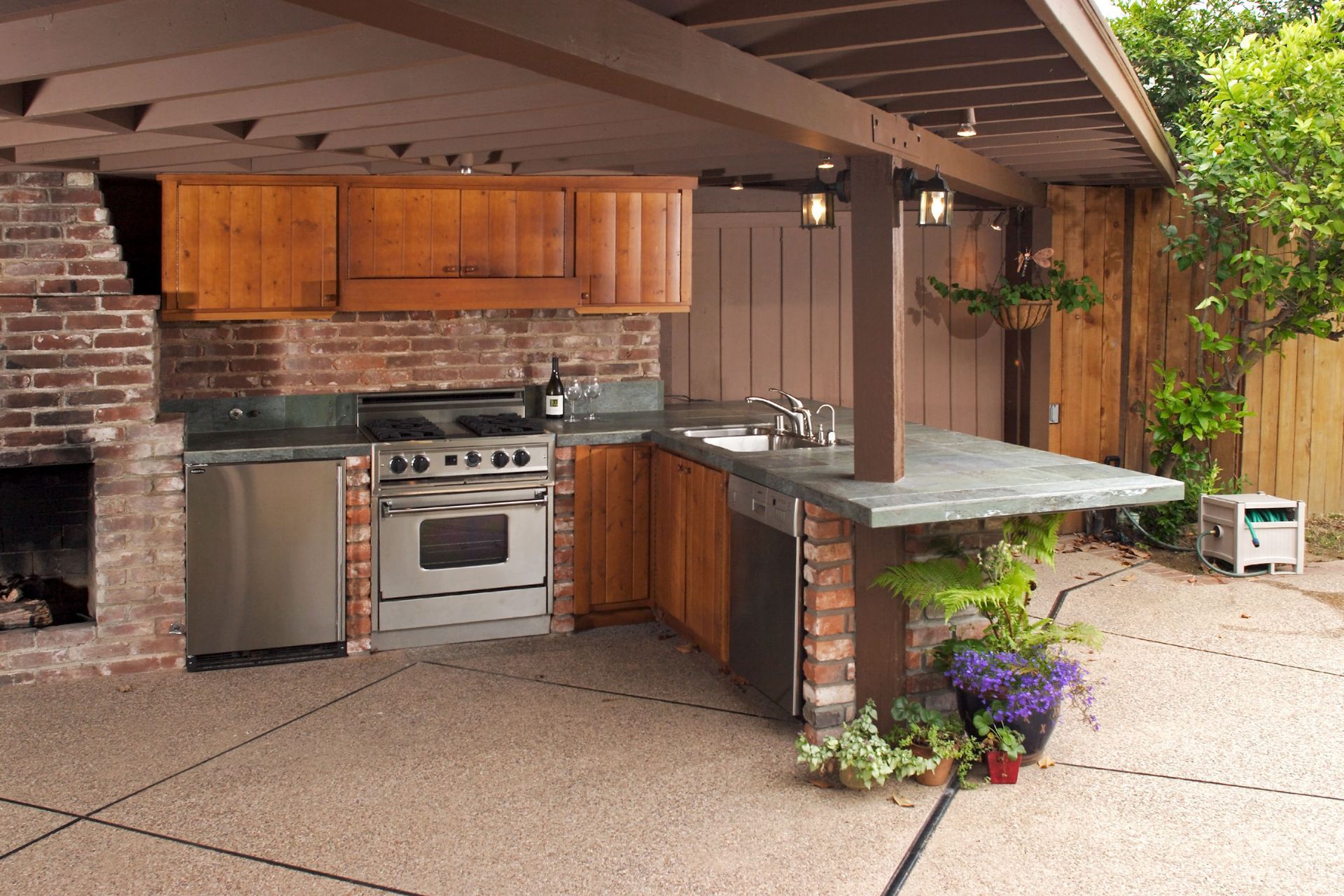
Here are key ways that a hardscaping contractor can complement your outdoor kitchen and help you create a backyard oasis that’s beautiful and built to last.
hardscaping contractors
January 6, 2025
Whether you're adding a new patio or retaining wall, a successful hardscaping project requires meticulous planning and the help of hardscaping contractors.
hardscaping contractor
November 27, 2023
In this blog post, we'll talk about outdoor kitchens and how your local hardscaping contractor can bring your outdoor dining dreams come to life!
hardscaping service
July 24, 2023
When you've decided that adding a patio to your home is a project you'd like to take on, turn to a top hardscaping service.
hardscaping company
April 17, 2023
Are you looking into creating an outdoor living space at your home? Learn more here about how a hardscaping company can help you transform your property.