Hardscaping Upgrades That Boost Your Home’s Value

October 28, 2025

When it comes to home improvements, most people think of kitchen remodels, bathroom upgrades, or fresh coats of paint. While these projects certainly add value, many homeowners overlook the powerful impact of hardscaping. Hardscaping refers to the non-living design elements of your outdoor spaces—stone, wood, lighting, water features, and structural additions that complement landscaping.


More than just enhancing curb appeal, strategic hardscaping can significantly increase your property’s market value. A well-designed outdoor space adds usable square footage, improves functionality, and creates an inviting atmosphere for both current enjoyment and future resale.


The following sections highlight key hardscaping features that not only transform the look of your yard but also provide lasting returns on investment.


Stone Pathways That Create Lasting Impressions

First impressions matter when it comes to real estate, and stone pathways are one of the simplest ways to elevate your property’s curb appeal. Pathways provide both practical navigation and timeless beauty, guiding guests seamlessly through gardens and outdoor areas. Because stone is durable and weather-resistant, it ensures years of use with minimal upkeep.


Material choice plays a big role in design and value. Flagstone and slate offer elegant finishes that appeal to buyers seeking sophistication, while gravel provides a cost-effective option that still adds charm. Incorporating curves or geometric patterns can elevate a basic pathway into a work of art, enhancing the property’s overall aesthetic.


Proper installation is key for durability and safety. A well-prepared base prevents shifting and ensures long-term stability. With periodic maintenance such as sealing stones or resetting loose pieces, pathways retain their beauty and functionality, signaling to potential buyers that the home has been carefully maintained.


Retaining Walls That Add Structure and Style

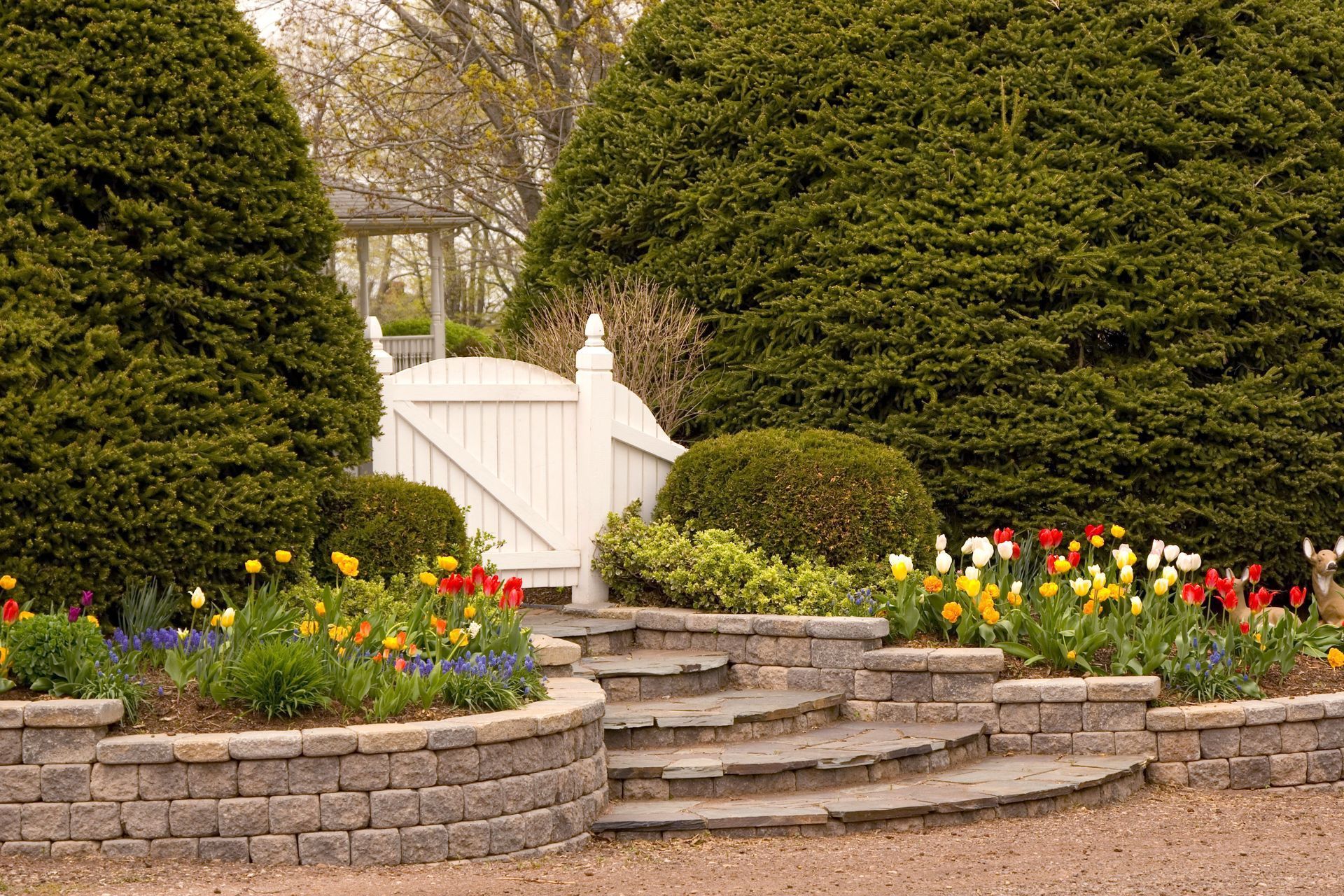
Retaining walls are far more than soil stabilizers—they’re valuable hardscaping investments that transform uneven terrain into functional, attractive spaces. By leveling slopes and preventing erosion, retaining walls expand usable yard space and open opportunities for tiered gardens, patios, or seating areas.


From a buyer’s perspective, retaining walls offer both peace of mind and style. Natural stone creates a premium look that blends seamlessly with the environment, while concrete blocks provide affordability and durability. Creative designs, such as curved walls or tiered levels, soften the appearance and add visual depth.


Structural soundness is essential for retaining walls to maintain their value. Proper drainage systems, like weep holes or gravel backfill, prevent costly damage down the road. Periodic inspections to address cracks or leaning keep the wall in top condition, ensuring it remains an asset rather than a liability when it comes time to sell.


Patio Pavers That Expand Outdoor Living

Patio pavers are one of the most effective ways to add functional living space to a home. In today’s market, buyers are looking for outdoor areas where they can entertain, dine, or relax—and a thoughtfully designed patio meets this demand.


The choice of paver material directly influences value. Brick brings timeless charm, concrete offers affordability and uniformity, and natural stone delivers an upscale, unique look. Laying patterns further enhance appeal. Classic styles like herringbone or basket weave convey craftsmanship, while bold mosaics or mixed-color designs add personality.


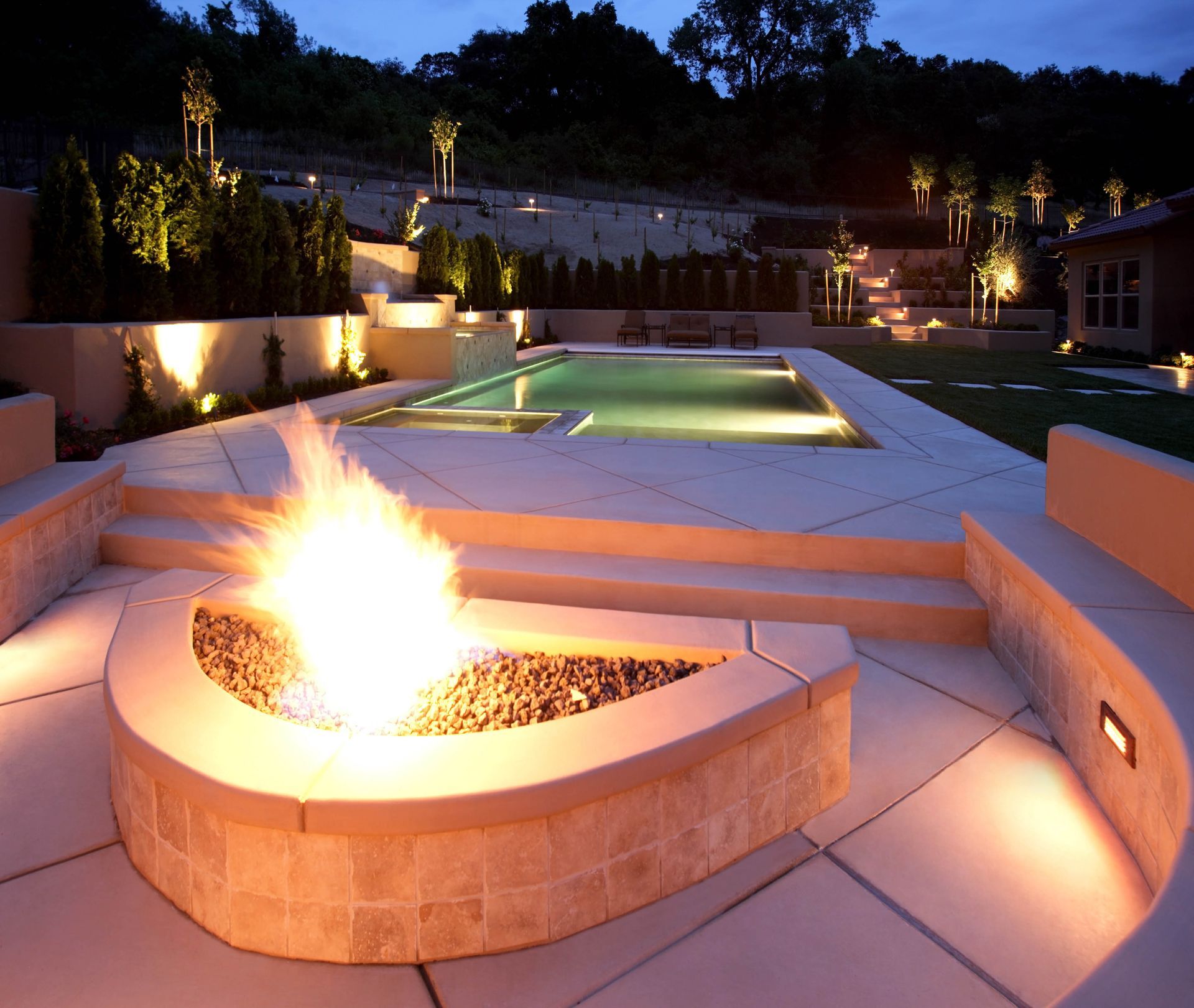
Professional installation ensures long-lasting durability and a polished finish, both of which matter to discerning buyers. Decorative additions such as lighting inlays, fire pits, or planters can take a patio from functional to extraordinary. A well-designed patio essentially extends the home’s usable square footage outdoors, which appraisers and buyers alike consider a significant value booster.


Water Features That Elevate Ambience

A home with a serene fountain, pond, or waterfall often stands out in the market. Water features add sophistication and a sense of tranquility, creating a memorable impression for potential buyers. Beyond aesthetics, these elements attract wildlife and contribute to a calming outdoor environment—qualities that many buyers associate with luxury living.


Water features come in all scales. Compact birdbaths and small fountains work well for modest yards, while larger koi ponds or cascading waterfalls transform spacious landscapes into resort-like retreats. Pondless waterfalls are a popular choice for homeowners wanting drama without requiring extensive space.


Sustainability is also a selling point. Recirculating systems conserve water, and solar-powered pumps lower energy costs. Homeowners who maintain water features by cleaning pumps, preventing algae, and winterizing appropriately ensure these installations remain valuable assets rather than burdens.


Outdoor Lighting That Extends Enjoyment

Buyers notice when outdoor spaces are thoughtfully lit. Outdoor lighting not only improves safety but also highlights architectural details, garden features, and pathways. A home that glows warmly in the evening radiates a welcoming vibe that leaves a lasting impression.


Lighting techniques offer flexibility. Uplighting emphasizes trees or stonework, downlighting creates soft moonlight effects, and step lights add both safety and sophistication. Decorative options, such as string lights or lanterns, enhance patios and seating areas. By layering lighting types, homeowners can showcase the best aspects of their property.


Energy efficiency is increasingly important to today’s buyers. LED fixtures last longer and cost less to operate, while solar-powered options eliminate wiring challenges. Smart lighting systems add modern appeal, allowing control from smartphones or voice assistants. A professionally designed lighting system increases not only enjoyment but also perceived home value.


Outdoor Kitchens and Fire Pits That Attract Buyers

As outdoor living trends grow, outdoor kitchens and fire pits are becoming highly desirable features for buyers. These installations provide a lifestyle upgrade, transforming a backyard into a year-round entertaining space.


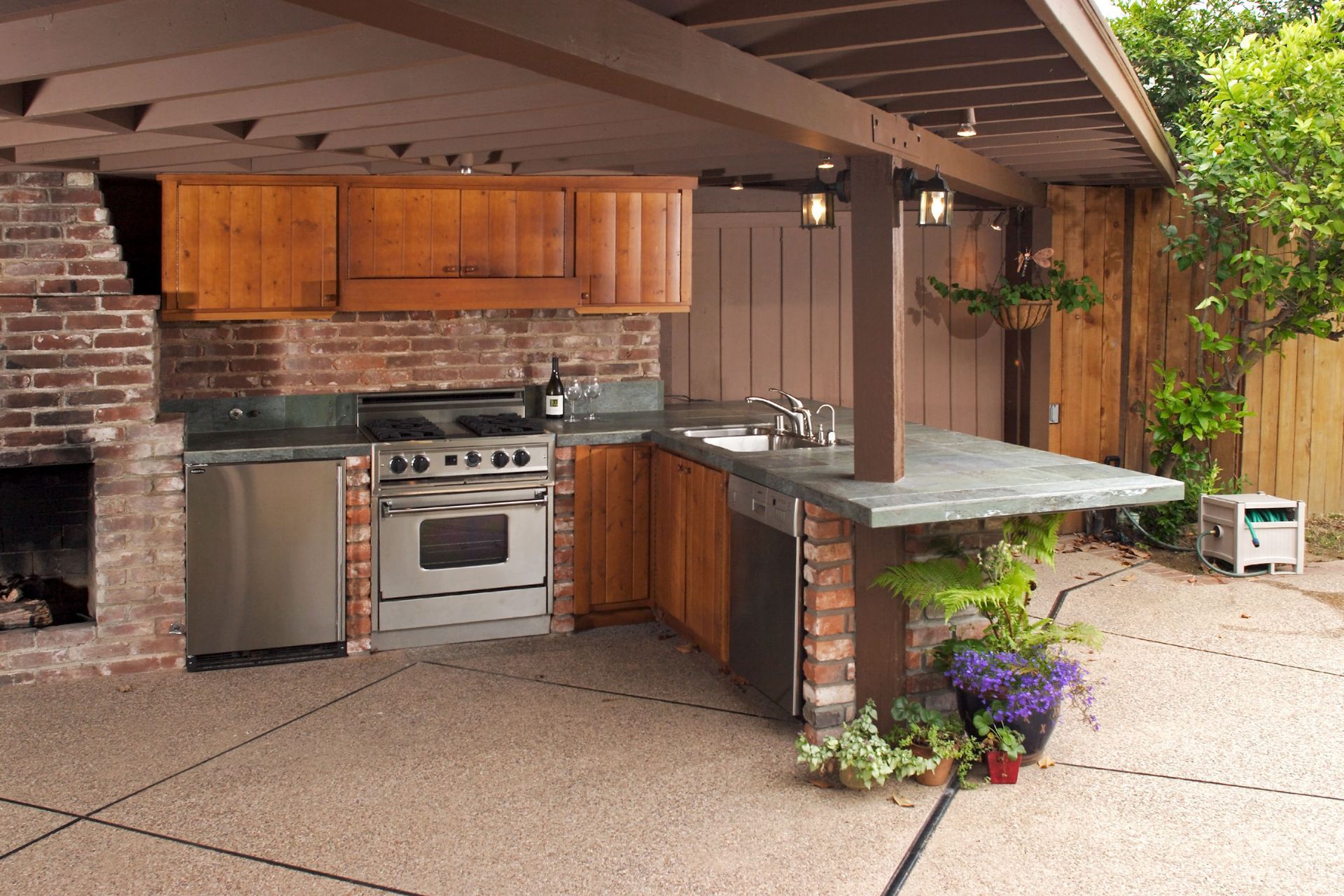
Outdoor kitchens equipped with stainless steel appliances, granite countertops, and weather-resistant cabinetry deliver both functionality and luxury. They appeal to buyers who envision hosting gatherings and enjoying meals outdoors. Fire pits complement these kitchens by adding cozy, social areas where families and friends can gather late into the evening.


Design and safety are critical. Proper ventilation, clearance from flammable materials, and compliance with building codes ensure these features are both safe and long-lasting. Regular upkeep—cleaning appliances, sealing countertops, and checking gas or electrical lines—keeps them in excellent condition, protecting their contribution to property value.


The real estate market consistently rewards properties with well-designed outdoor spaces because first impressions matter—buyers often decide within minutes whether a home feels inviting and well-maintained. Hardscaping plays a pivotal role in shaping that perception. Thoughtfully designed features like stone pathways, retaining walls, or patio pavers signal that the property has been carefully planned and maintained, which can increase buyer confidence and perceived value.


According to The Freedonia Group, the demand for hardscaping products in the United States is projected to grow 3.3% annually, reaching $3.9 billion by 2025. This growth underscores a rising recognition of hardscaping as both a lifestyle enhancer and a smart financial investment. Buyers see value in properties where outdoor areas are thoughtfully designed, durable, and ready to enjoy.


Whether through the elegance of a stone pathway, the functionality of a retaining wall, the versatility of patio pavers, or the luxury of an outdoor kitchen, hardscaping projects offer some of the best returns on investment for homeowners.


Hardscaping is more than an upgrade; it's a strategic way to increase your property's value while enhancing your daily life. By investing in features like pathways, retaining walls, pavers, water elements, lighting, and outdoor kitchens, you create functional, beautiful spaces that resonate with today’s buyers.


If you're ready to transform your yard into a lasting investment, partner with Cutting Edge Hardscapes, offering craftsmanship and vision that can turn your property into an outdoor retreat that not only elevates your lifestyle but also boosts your home’s market value.
hardscaping service
November 12, 2025
Whether you’re investing in a brand-new patio or installing a retaining wall, choosing the right hardscaping service makes all the difference.
November 11, 2025
Hardscaping plays an integral role in landscape design, setting the framework for the softscape elements like plants and trees. By understanding and choosing the right materials, you can create a garden that isn't only beautiful but also functional and sustainable. It's critical to evaluate factors such as your local climate, soil type, and personal garden goals when selecting these materials. Additionally, with the right choices, you can significantly influence the overall ambiance and maintenance requirements of your outdoor space. Evaluating Your Garden's Needs Climate is a vital consideration in choosing hardscaping materials. Certain materials withstand different weather conditions better than others. If you live in an area with harsh winters, materials like brick or natural stone, which are less likely to crack under frost, might be more suitable. Alternatively, areas with heavy rainfall would benefit from permeable materials that facilitate water drainage, preventing flooding and erosion. Therefore, understanding your climate helps in selecting materials that not only enhance the aesthetic appeal but also ensure durability. Your garden's soil type can greatly influence the choice of hardscaping materials. Heavier soils like clay provide different challenges compared to sandy or loamy soils. Drainage can be a concern with clay; thus, materials with better permeability or constructions that include proper drainage planning are essential. On sandy soils, stability can be an issue, so heavier, bulkier materials like large stones or concrete might offer the necessary stability. Recognizing the interplay between soil type and material choice can mitigate long-term maintenance issues and structural failures. The purpose of your garden influences the choice of hardscaping materials significantly. A garden designed for relaxation might prioritize aesthetics and comfort, suggesting the use of soft and inviting materials like wood for decking. For a garden meant for entertaining, durable and spacious materials like concrete patios can provide the needed space and robustness. Similarly, a garden focused on food production would benefit from utilitarian materials that offer functionality and ease of navigation, such as gravel paths. Defining the garden's primary purposes clarifies the material selection process by ensuring alignment with your usability needs. Considering the maintenance requirements of different materials is crucial in planning your hardscape. Some materials, such as natural stone or brick, may require more maintenance, including cleaning and repairs, compared to others like composite materials that require minimal upkeep. Evaluate your willingness and capacity for maintenance, as this will guide you toward the best possible solutions that ensure long-term satisfaction. According to The Spruce, about 60% to 80% of a project budget goes to materials, while the rest is spent on labor, indicating the significance of choosing materials that align with your maintenance capabilities. Balancing aesthetics and practicality, while factoring in ongoing care, can lead to a less stressful and more sustainable garden experience. Selecting Hardscaping Materials Natural stone is a popular choice due to its timeless beauty and durability. Granite, limestone, and slate offer various aesthetic options, each with unique textures and colors. The natural variation in stone ensures that no two installations are ever the same, adding a custom look to your garden. Despite its beauty, natural stone can be more expensive than other materials, both in terms of initial cost and installation labor. However, the investment often pays off in longevity and minimal long-term maintenance requirements. Brick is valued for its classic look and enduring quality in garden designs. It's incredibly versatile, suitable for paving paths, constructing walls, and even creating raised beds. Bricks can withstand heavy foot traffic and various weather conditions, offering a balance between durability and aesthetic appeal. Maintenance usually involves occasional power washing or replacing damaged bricks, making it relatively low upkeep. This traditional material can blend seamlessly with many architectural styles, enhancing both historical and contemporary gardens. Concrete offers a cost-effective, practical solution for many hardscaping projects. Its versatility allows for a wide range of finishes and colors, from polished and smooth to rough and exposed aggregate, mimicking other materials like stone or tile. Its strength makes it ideal for structural elements, such as retaining walls or patios, that must withstand significant weight and pressure. Although generally affordable, concrete requires skilled installation to avoid cracking and to achieve a desirable finish. Regular sealing can enhance its longevity by preventing moisture penetration and staining. Wood provides a warm, natural feel and is often used for features like decks, pergolas, or garden furniture. Its versatility lies in its vast range of types, from softwoods like pine to more durable hardwoods like teak and cedar, each offering different resistance to weather and wear. Treatments such as staining, painting, or sealing can further increase its durability and aesthetic lifespan, requiring ongoing maintenance. While wood can be susceptible to issues such as rot or pest damage, proper care and treatment can extend its usability significantly. This renewable resource is ideal for creating a cozy, inviting atmosphere in your garden. Designing for Aesthetic Impact Your garden's hardscaping should complement the architectural style of your home for a cohesive appearance. Materials selected should echo themes, colors, or textures found in your house's exterior to establish visual harmony. For instance, a contemporary home might benefit from sleek, polished concrete surfaces, whereas a rustic cottage-style home might pair well with cobblestone or weathered wood elements. This harmony between home and garden not only enhances aesthetics but also contributes to a unified living space that feels expansive and connected. Thoughtful matching ensures the garden looks like an extension of your home, not a disparate addition. Color and texture play significant roles in the overall aesthetic of your hardscape. Light colors like whites and creams can make a space feel larger, while darker shades might offer a feeling of warmth and intimacy. Textures ranging from smooth to rough interact with light differently, adding depth and tactile appeal to your garden. Combining various colors and textures, such as a smooth stone pathway surrounded by coarse wood mulch, can create striking visual contrast. Choosing the right mix can create a pleasing sensory experience that aligns with your mood and design objectives. Strategic use of hardscaping materials can highlight architectural features or create focal points within your garden. Elements like a stunning stone fountain, an intricately patterned footpath, or a unique sculpture can serve as eye-catching features. Such focal points draw attention and add interest, often encouraging exploration and engagement with the space. The material choice, whether it's dramatic black slate or cozy, weathered brick, should be carefully considered to ensure it attracts visual interest effectively. Balancing these focal points with surrounding landscapes ensures they complement rather than overpower the garden. A successful garden design integrates hardscape and softscape elements to create a seamless transition between the built and natural environment. Consider how your chosen materials can enhance plant life, such as stone pathways meandering through dense greenery or wooden pergolas supporting blooming vines. This blend of natural and architectural elements can soften the look of hardscapes while adding texture and color through plants. Ensuring compatibility between hardscape and softscape elements gives a sense of cohesion and flow throughout the garden. Choosing the right hardscaping materials involves careful consideration of various factors, including functionality, aesthetics, budget, and environmental impact. By understanding the interplay of these factors, you can tailor your choices to meet specific needs and preferences while ensuring a beautiful, durable outcome. Armed with this detailed knowledge, you have the tools to craft a harmonious design. For professional hardscaping expertise and custom solutions, visit Cutting Edge Hardscapes to start your project today.
hardscape design
October 22, 2025
Transform your yard with creative hardscape design ideas. Discover how patios, walkways, and water features can elevate beauty, function, and property value.
hardscaping contractor
August 12, 2025
Here are key ways that a hardscaping contractor can complement your outdoor kitchen and help you create a backyard oasis that’s beautiful and built to last.
hardscaping contractors
January 6, 2025
Whether you're adding a new patio or retaining wall, a successful hardscaping project requires meticulous planning and the help of hardscaping contractors.
hardscaping contractor
November 27, 2023
In this blog post, we'll talk about outdoor kitchens and how your local hardscaping contractor can bring your outdoor dining dreams come to life!
hardscaping service
July 24, 2023
When you've decided that adding a patio to your home is a project you'd like to take on, turn to a top hardscaping service.
hardscaping company
April 17, 2023
Are you looking into creating an outdoor living space at your home? Learn more here about how a hardscaping company can help you transform your property.