Why Should You Invest in an Outdoor Kitchen?

November 27, 2023

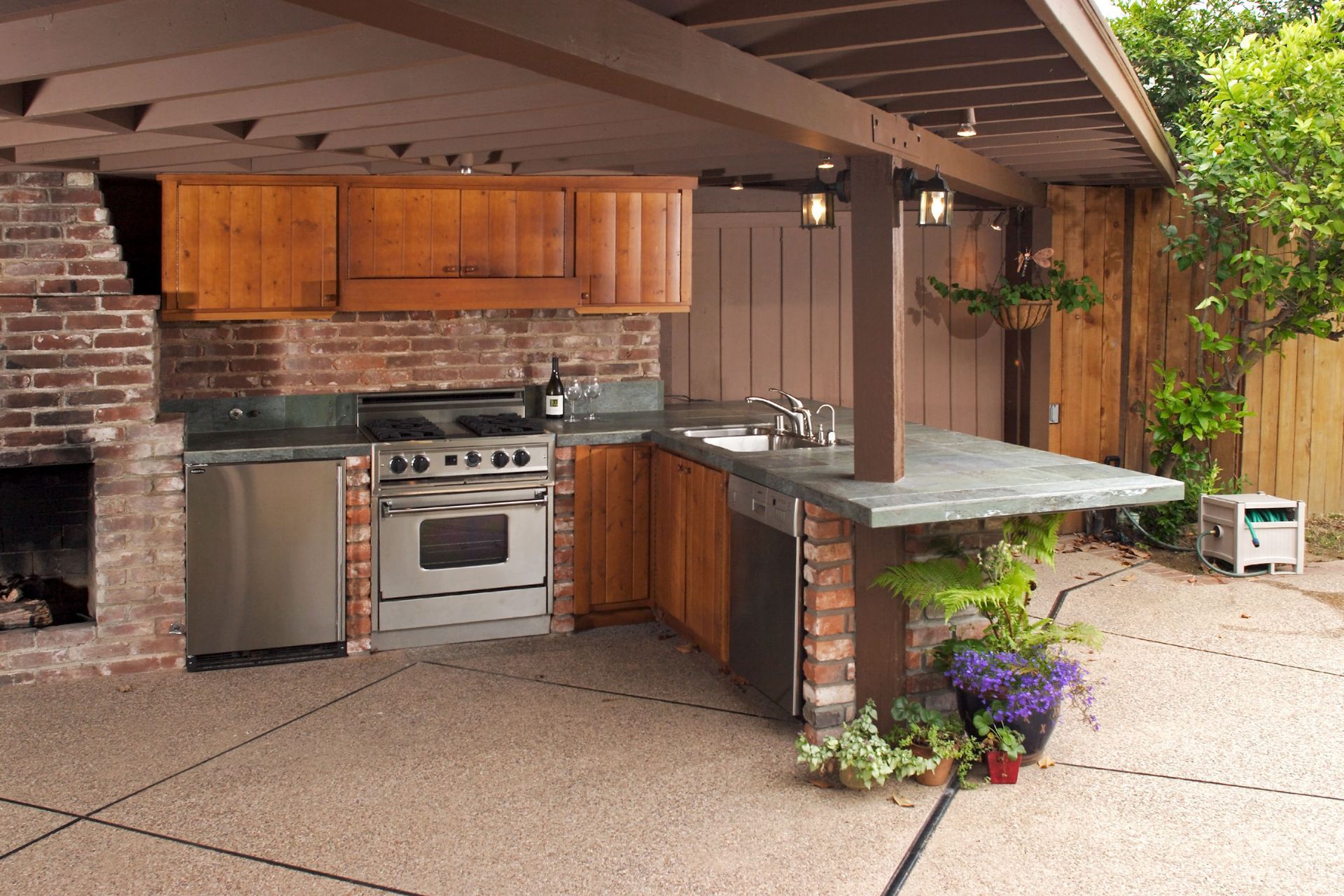
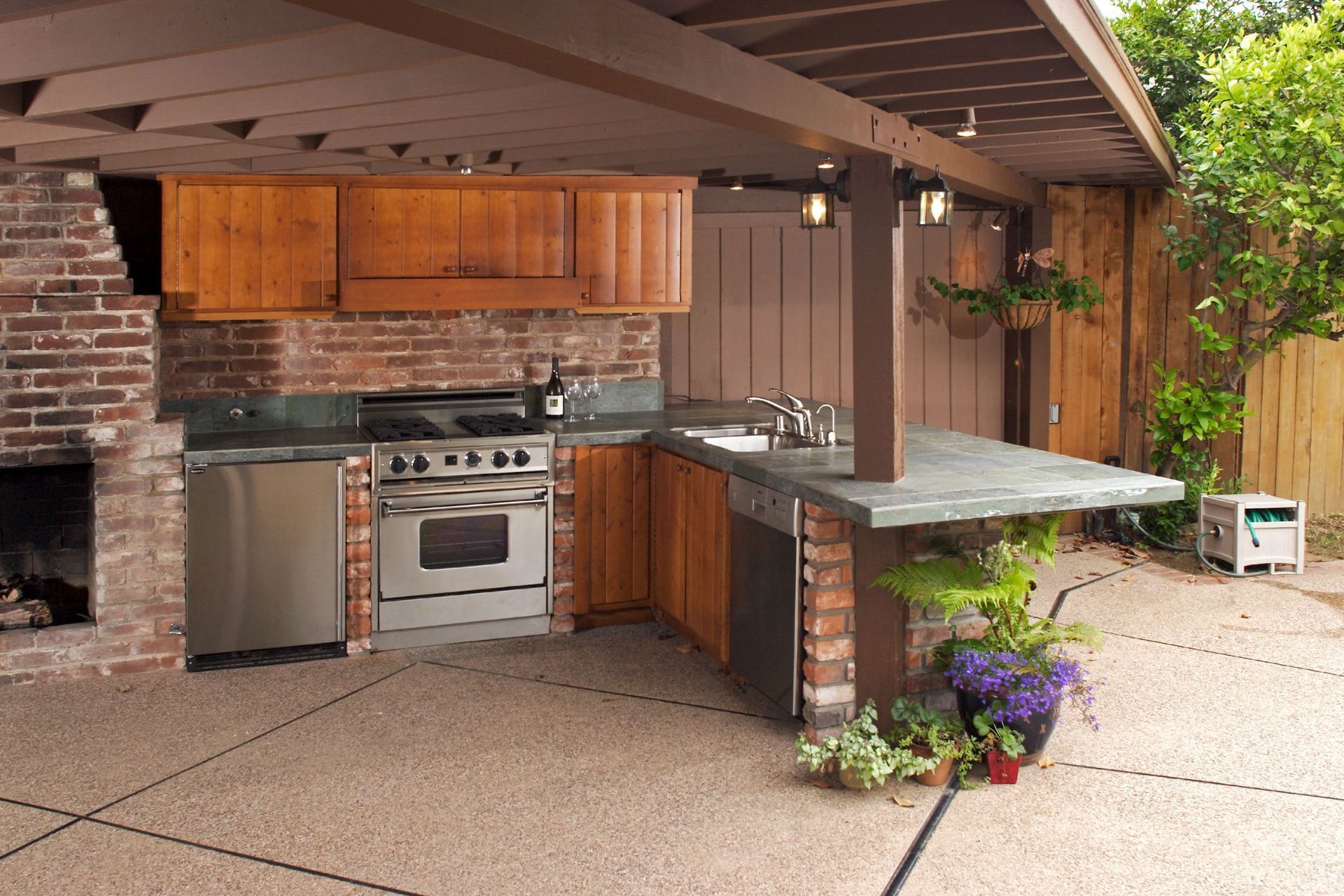
Eating outdoors adds an element of fun to any meal. When you have an outdoor kitchen built on your property, you can take this idea to a whole new level! According to The Freedonia Group, a leader in industry statistics, the demand for hardscaping products like outdoor kitchens is projected to reach $3.9 billion by 2025. If you're still unsure about getting in on this growing home improvement trend, here are a few reasons why you should call a local hardscaping contractor to help you create an outdoor kitchen.


Entertain Your Friends and Family


An outdoor kitchen brings together the best of both worlds. You have all the fun of a backyard barbecue with all the convenience of a kitchen. Cooking and entertaining outdoors can be much more relaxing than preparing meals inside. You can create more of a relaxing party vibe when you aren't feeling cramped inside. Your outdoor kitchen can be expertly customized for all of your entertaining needs.


Create an Enhanced Living Space


Outdoor living spaces are becoming more and more important to homeowners. A yard shouldn't be just a place where grass grows. This should be an extension of your indoor living spaces. When you have an outdoor kitchen installed, you will truly expand all the possibilities of your home. Many people love the option of combining an outdoor kitchen with an outdoor living space such as a patio or deck. This makes it possible to relax and interact with your guests, even when you're preparing meals. A lot of houses are split up on the interior, which means that if you're preparing meals in the kitchen, you're separated from your guests. You don't have to worry about that with an outdoor kitchen and living area.


Make Healthy Eating Easier


Many of the things that we enjoy cooking outdoors are healthier options. Freshly grilled meats, veggies, kebabs, and more are almost always healthier than frozen or boxed options. Another cool thing about outdoor kitchens is that they inspire you to cook with all sorts of foods. The processed foods can stay in the freezer. Your outdoor kitchen craves fresh meat, seasonal veggies, and scrumptious fruits for dessert. You'll find that cooking healthy is easy when you love where you're cooking.

If you are considering an outdoor kitchen, we are the hardscaping contractor for the job. Our team of highly experienced professionals at Cutting Edge Hardscapes can create the outdoor kitchen of your dreams. Give us a call today to get started.


hardscaping service
November 12, 2025
Whether you’re investing in a brand-new patio or installing a retaining wall, choosing the right hardscaping service makes all the difference.
November 11, 2025
Hardscaping plays an integral role in landscape design, setting the framework for the softscape elements like plants and trees. By understanding and choosing the right materials, you can create a garden that isn't only beautiful but also functional and sustainable. It's critical to evaluate factors such as your local climate, soil type, and personal garden goals when selecting these materials. Additionally, with the right choices, you can significantly influence the overall ambiance and maintenance requirements of your outdoor space. Evaluating Your Garden's Needs Climate is a vital consideration in choosing hardscaping materials. Certain materials withstand different weather conditions better than others. If you live in an area with harsh winters, materials like brick or natural stone, which are less likely to crack under frost, might be more suitable. Alternatively, areas with heavy rainfall would benefit from permeable materials that facilitate water drainage, preventing flooding and erosion. Therefore, understanding your climate helps in selecting materials that not only enhance the aesthetic appeal but also ensure durability. Your garden's soil type can greatly influence the choice of hardscaping materials. Heavier soils like clay provide different challenges compared to sandy or loamy soils. Drainage can be a concern with clay; thus, materials with better permeability or constructions that include proper drainage planning are essential. On sandy soils, stability can be an issue, so heavier, bulkier materials like large stones or concrete might offer the necessary stability. Recognizing the interplay between soil type and material choice can mitigate long-term maintenance issues and structural failures. The purpose of your garden influences the choice of hardscaping materials significantly. A garden designed for relaxation might prioritize aesthetics and comfort, suggesting the use of soft and inviting materials like wood for decking. For a garden meant for entertaining, durable and spacious materials like concrete patios can provide the needed space and robustness. Similarly, a garden focused on food production would benefit from utilitarian materials that offer functionality and ease of navigation, such as gravel paths. Defining the garden's primary purposes clarifies the material selection process by ensuring alignment with your usability needs. Considering the maintenance requirements of different materials is crucial in planning your hardscape. Some materials, such as natural stone or brick, may require more maintenance, including cleaning and repairs, compared to others like composite materials that require minimal upkeep. Evaluate your willingness and capacity for maintenance, as this will guide you toward the best possible solutions that ensure long-term satisfaction. According to The Spruce, about 60% to 80% of a project budget goes to materials, while the rest is spent on labor, indicating the significance of choosing materials that align with your maintenance capabilities. Balancing aesthetics and practicality, while factoring in ongoing care, can lead to a less stressful and more sustainable garden experience. Selecting Hardscaping Materials Natural stone is a popular choice due to its timeless beauty and durability. Granite, limestone, and slate offer various aesthetic options, each with unique textures and colors. The natural variation in stone ensures that no two installations are ever the same, adding a custom look to your garden. Despite its beauty, natural stone can be more expensive than other materials, both in terms of initial cost and installation labor. However, the investment often pays off in longevity and minimal long-term maintenance requirements. Brick is valued for its classic look and enduring quality in garden designs. It's incredibly versatile, suitable for paving paths, constructing walls, and even creating raised beds. Bricks can withstand heavy foot traffic and various weather conditions, offering a balance between durability and aesthetic appeal. Maintenance usually involves occasional power washing or replacing damaged bricks, making it relatively low upkeep. This traditional material can blend seamlessly with many architectural styles, enhancing both historical and contemporary gardens. Concrete offers a cost-effective, practical solution for many hardscaping projects. Its versatility allows for a wide range of finishes and colors, from polished and smooth to rough and exposed aggregate, mimicking other materials like stone or tile. Its strength makes it ideal for structural elements, such as retaining walls or patios, that must withstand significant weight and pressure. Although generally affordable, concrete requires skilled installation to avoid cracking and to achieve a desirable finish. Regular sealing can enhance its longevity by preventing moisture penetration and staining. Wood provides a warm, natural feel and is often used for features like decks, pergolas, or garden furniture. Its versatility lies in its vast range of types, from softwoods like pine to more durable hardwoods like teak and cedar, each offering different resistance to weather and wear. Treatments such as staining, painting, or sealing can further increase its durability and aesthetic lifespan, requiring ongoing maintenance. While wood can be susceptible to issues such as rot or pest damage, proper care and treatment can extend its usability significantly. This renewable resource is ideal for creating a cozy, inviting atmosphere in your garden. Designing for Aesthetic Impact Your garden's hardscaping should complement the architectural style of your home for a cohesive appearance. Materials selected should echo themes, colors, or textures found in your house's exterior to establish visual harmony. For instance, a contemporary home might benefit from sleek, polished concrete surfaces, whereas a rustic cottage-style home might pair well with cobblestone or weathered wood elements. This harmony between home and garden not only enhances aesthetics but also contributes to a unified living space that feels expansive and connected. Thoughtful matching ensures the garden looks like an extension of your home, not a disparate addition. Color and texture play significant roles in the overall aesthetic of your hardscape. Light colors like whites and creams can make a space feel larger, while darker shades might offer a feeling of warmth and intimacy. Textures ranging from smooth to rough interact with light differently, adding depth and tactile appeal to your garden. Combining various colors and textures, such as a smooth stone pathway surrounded by coarse wood mulch, can create striking visual contrast. Choosing the right mix can create a pleasing sensory experience that aligns with your mood and design objectives. Strategic use of hardscaping materials can highlight architectural features or create focal points within your garden. Elements like a stunning stone fountain, an intricately patterned footpath, or a unique sculpture can serve as eye-catching features. Such focal points draw attention and add interest, often encouraging exploration and engagement with the space. The material choice, whether it's dramatic black slate or cozy, weathered brick, should be carefully considered to ensure it attracts visual interest effectively. Balancing these focal points with surrounding landscapes ensures they complement rather than overpower the garden. A successful garden design integrates hardscape and softscape elements to create a seamless transition between the built and natural environment. Consider how your chosen materials can enhance plant life, such as stone pathways meandering through dense greenery or wooden pergolas supporting blooming vines. This blend of natural and architectural elements can soften the look of hardscapes while adding texture and color through plants. Ensuring compatibility between hardscape and softscape elements gives a sense of cohesion and flow throughout the garden. Choosing the right hardscaping materials involves careful consideration of various factors, including functionality, aesthetics, budget, and environmental impact. By understanding the interplay of these factors, you can tailor your choices to meet specific needs and preferences while ensuring a beautiful, durable outcome. Armed with this detailed knowledge, you have the tools to craft a harmonious design. For professional hardscaping expertise and custom solutions, visit Cutting Edge Hardscapes to start your project today.
hardscaping
October 28, 2025
Discover how hardscaping boosts home value and transforms outdoor spaces with patios, pathways, retaining walls, and lighting that add beauty and functionality.
hardscape design
October 22, 2025
Transform your yard with creative hardscape design ideas. Discover how patios, walkways, and water features can elevate beauty, function, and property value.
hardscaping contractor
August 12, 2025
Here are key ways that a hardscaping contractor can complement your outdoor kitchen and help you create a backyard oasis that’s beautiful and built to last.
hardscaping contractors
January 6, 2025
Whether you're adding a new patio or retaining wall, a successful hardscaping project requires meticulous planning and the help of hardscaping contractors.
hardscaping service
July 24, 2023
When you've decided that adding a patio to your home is a project you'd like to take on, turn to a top hardscaping service.
hardscaping company
April 17, 2023
Are you looking into creating an outdoor living space at your home? Learn more here about how a hardscaping company can help you transform your property.