Creative Hardscape Design Ideas to Enhance Your Outdoor Space

October 22, 2025

Transforming your outdoor space into a remarkable retreat takes more than beautiful landscaping—it requires thoughtful hardscape design to provide structure, function, and visual appeal. Hardscaping creates pathways, patios, water features, and other elements that anchor your yard’s softscape while elevating its style. When planned carefully, these features can redefine your outdoor living areas and boost your property’s value. A well-designed hardscape balances aesthetics with usability, allowing you to enjoy your yard for relaxation, entertaining, or simply appreciating nature.


Whether you have a compact backyard or a sprawling garden, creative hardscape design can turn an ordinary area into an extraordinary haven. From curved pathways that guide the eye to multi-level patios that offer versatile living spaces, hardscaping enhances both the beauty and functionality of your outdoor environment. In this article, we explore inspiring ideas to help you create a welcoming, stylish, and functional space. Each concept demonstrates how thoughtful material selection, layout planning, and artistic touches can elevate your outdoor living experience.


Inviting Walkways That Set the Tone


The choice of pathway materials profoundly influences the character of your outdoor space. Natural stone offers timeless elegance and durability, blending seamlessly with gardens and flower beds. Gravel is an affordable option that provides rustic charm and flexibility in layout, while brick pathways add a classic and low-maintenance touch. Contemporary pavers allow for nearly limitless customization with different sizes, colors, and patterns, enabling homeowners to create unique visual statements. Durable concrete paths are versatile, offering longevity while adapting to curves or geometric designs. Eco-conscious homeowners may also consider permeable pavements, which manage water runoff while remaining attractive and functional.


The shape of walkways further affects the flow and experience of your yard. Winding paths with gentle curves evoke a natural, relaxed feel and encourage exploration. Straight lines and angled pathways create a more structured and formal atmosphere, complementing modern design aesthetics. Integrating steps, terraces, or varying elevation levels adds visual interest and functionality, guiding visitors to focal points like a garden fountain or seating area. Strategic lighting enhances both safety and ambiance. Solar-powered or low-voltage lights highlight curves and angles while illuminating pathways, making your outdoor space inviting even after dark. Thoughtful planning ensures your walkways become a foundation for an engaging and cohesive hardscape design.


Cozy Patios as Comfortable Gathering Spaces


Patios serve as the central hub of many outdoor areas, offering a versatile setting for socializing, dining, or relaxing. Multi-level patios can separate different functional zones—such as dining, lounging, or cooking areas—connected by ramps or steps for smooth transitions. Materials like natural stone, pavers, or treated wood are durable and visually appealing, ensuring your patio remains attractive throughout all seasons.


Incorporating built-in seating maximizes usable space while maintaining aesthetic harmony. Stone or wooden benches integrate seamlessly into the landscape, providing comfortable spots for relaxation. Outdoor rugs, cushions, and plants help define distinct zones, introducing color, texture, and personality. Pergolas or sun shades offer shelter from sun and rain, creating intimate spaces that encourage extended use. Layering textures, colors, and natural elements adds depth and a welcoming atmosphere. A carefully designed patio enhances your yard’s functionality while strengthening your hardscape design, making it a true extension of your home’s living area.


Calming Water Features for a Touch of Serenity


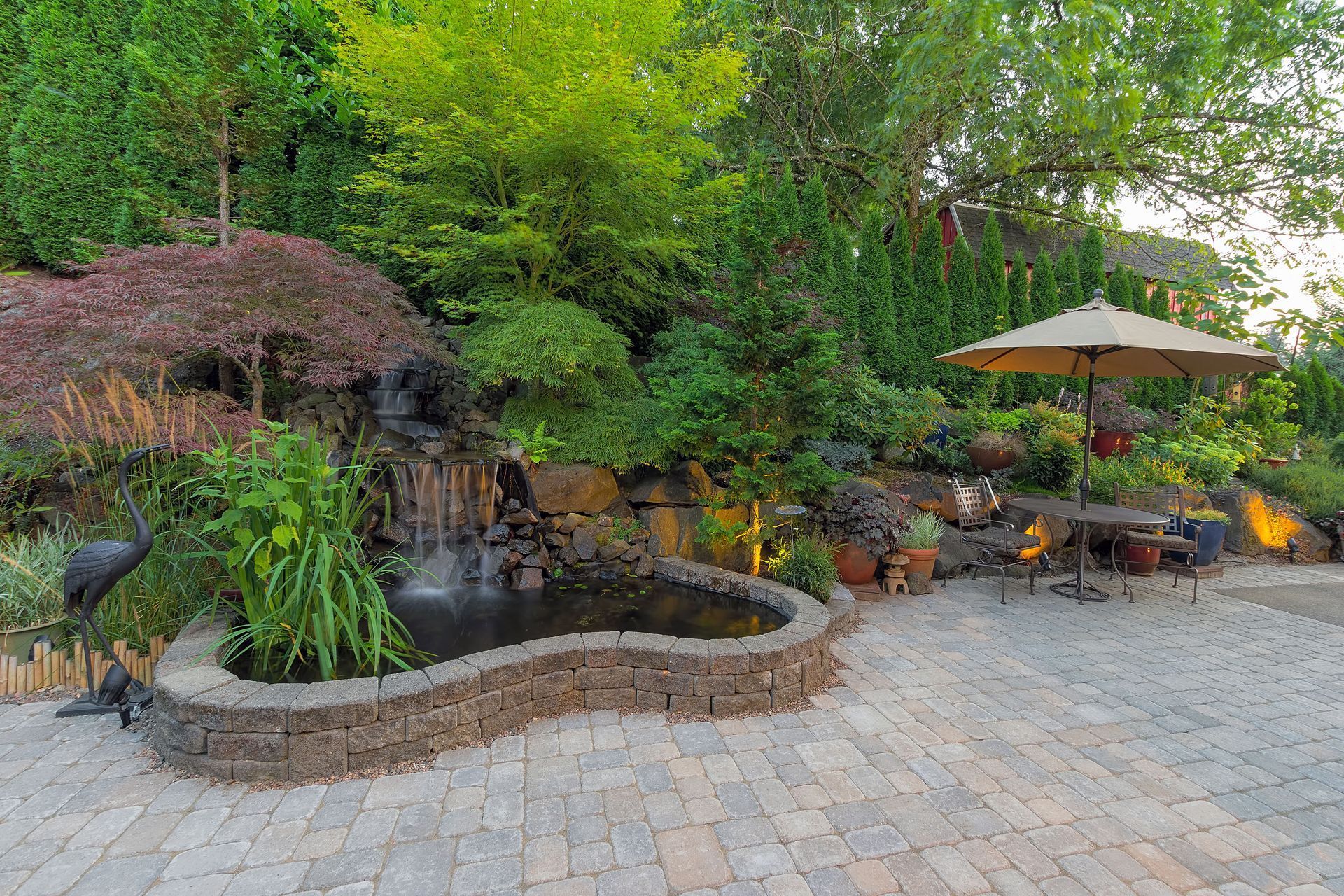
Water elements introduce movement, sound, and tranquility, elevating any outdoor space. Classic tiered fountains offer timeless elegance and can serve as a focal point in traditional gardens. Cascading waterfalls create dynamic motion and calming sounds, making them ideal near seating or relaxation areas. Tranquil ponds attract wildlife, support aquatic plants, and enrich your garden’s biodiversity, while reflective pools contribute a modern, minimalist aesthetic by mirroring the surrounding landscape.


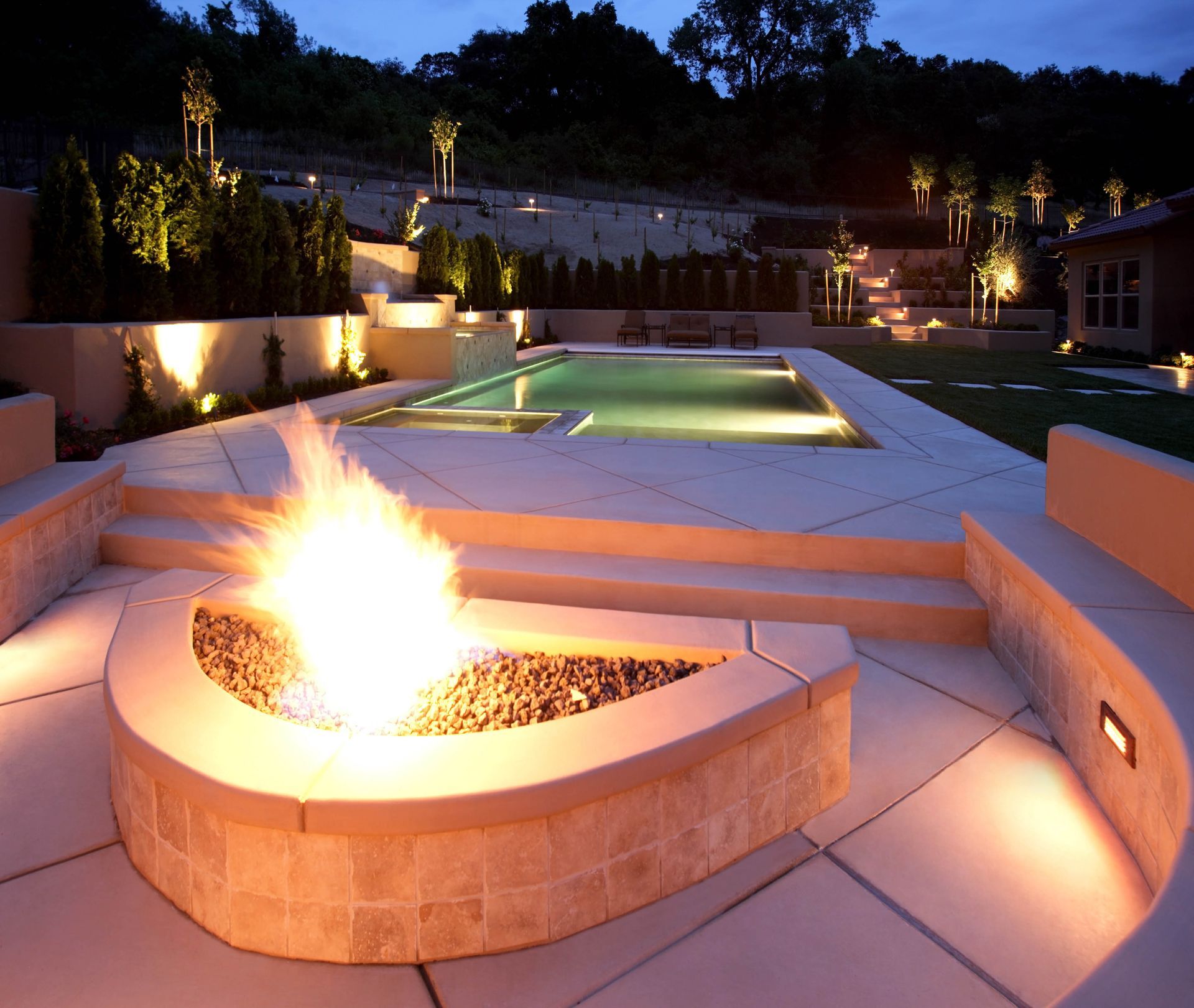
Pairing water features with fire elements, such as a fire bowl or pit, creates dramatic contrast and adds warmth. This combination not only enhances visual appeal but also encourages gatherings during cooler evenings. Regular maintenance—removing debris, controlling algae, and ensuring pumps function properly—is essential to preserve both beauty and ecological balance. Thoughtfully integrated water features add an immersive sensory experience, establishing a peaceful and inviting atmosphere. Including water elements is a creative way to strengthen your overall hardscape design, making your yard both functional and serene.


Stylish Outdoor Kitchens for Functional Entertaining


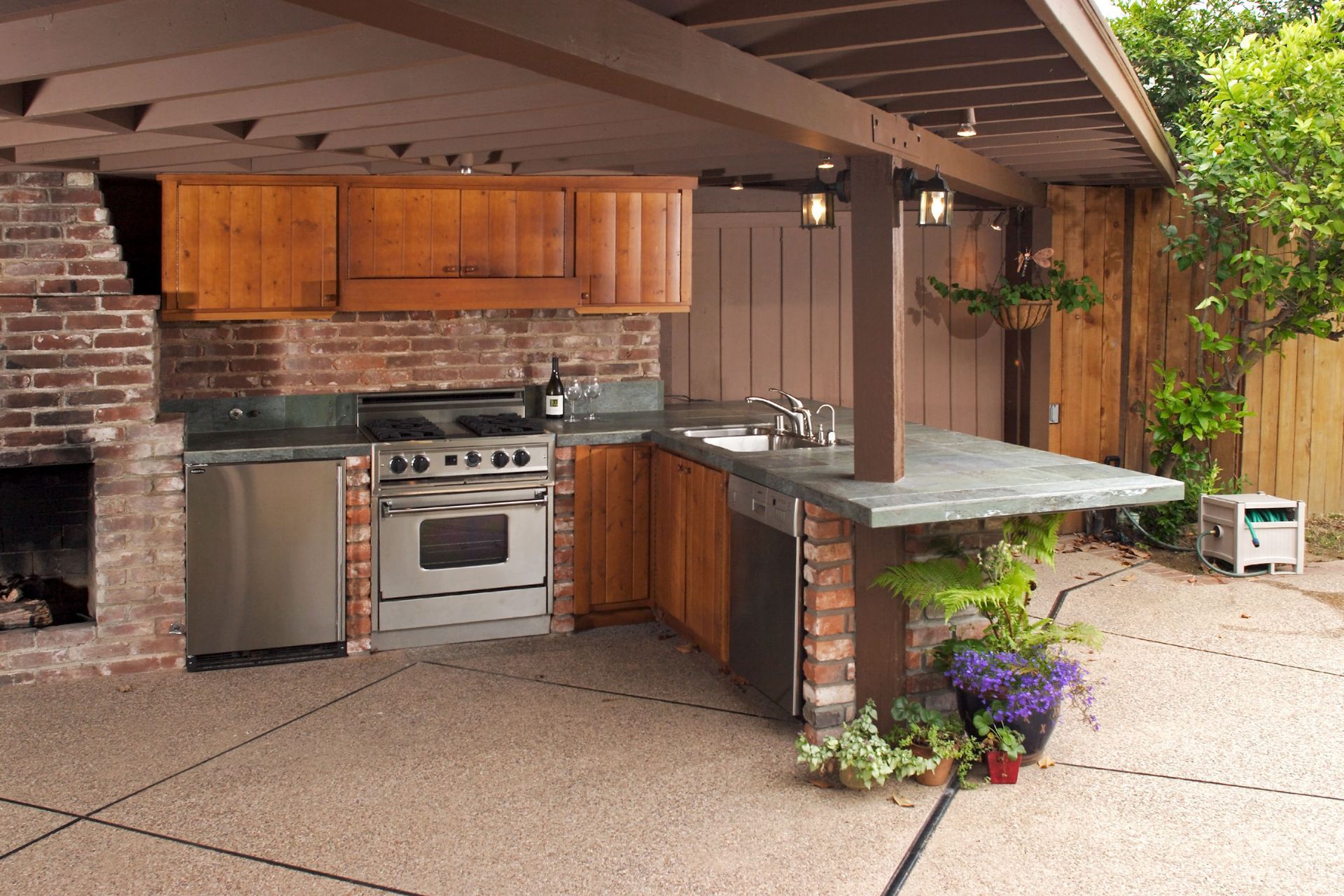
Outdoor kitchens are an increasingly popular addition to modern yards, extending living spaces while offering practical cooking and entertaining solutions. A fully equipped outdoor kitchen with grills, cooking stations, and weatherproof storage encourages enjoyable and uninterrupted meal preparation. Stainless steel appliances are durable and resistant to the elements, ensuring longevity. According to Atlanta Fine Homes, outdoor kitchens offer a 100% return on investment, enhancing both lifestyle and property value.


Dining areas adjacent to the kitchen promote social interaction and make hosting gatherings effortless. Adding bar features with stools creates a casual, festive space for guests. Sustainable materials and energy-efficient appliances help reduce environmental impact without compromising style. Incorporating smart technologies, such as solar-powered lighting and automated appliances, improves convenience while conserving energy. When integrated seamlessly into the landscape, outdoor kitchens enhance your home’s functionality and aesthetic appeal, supporting a cohesive and practical hardscape design.


Sturdy Retaining Walls That Combine Beauty and Structure


Retaining walls provide crucial structural support while doubling as key design elements. Stone walls convey natural strength and elegance, while smooth concrete finishes lend a modern and polished look. Tiered retaining walls can serve as vertical gardens, allowing for diverse plantings and creating vibrant, multi-layered landscapes. Integrating seating into walls adds functional space for guests, maximizing usability while maintaining a clean, unobtrusive appearance.


Accent lighting along walls emphasizes texture, depth, and safety, creating ambiance while guiding movement. Proper construction ensures stability and longevity, supporting soil effectively and allowing for plant growth. By combining materials, textures, and elevation changes, retaining walls can enhance both the structural and visual elements of your yard. When designed with care, these walls become standout features that elevate your hardscape design while defining outdoor spaces beautifully.


Elegant Lighting and Finishing Touches for Enhanced Ambiance


Lighting and accessories provide the finishing touches that bring your hardscape together. Low-voltage or solar-powered lights can highlight pathways, patios, and water features, creating a welcoming environment after sunset. Uplighting trees and garden accents adds dimension and drama, while string lights, lanterns, or LED features create a festive atmosphere.


Decorative elements such as planters, sculptures, and fire pits add character and personality to your outdoor environment. Layering textures, materials, and heights keeps the visual experience dynamic and engaging. Thoughtful attention to these details ensures a cohesive, polished hardscape design, elevating both usability and aesthetics. Well-placed lighting and finishing touches not only enhance beauty but also improve safety, making your yard an inviting retreat day or night.


Investing in creative hardscape design transforms your outdoor spaces into functional, beautiful extensions of your home. Walkways guide visitors, patios provide comfortable gathering areas, water features and outdoor kitchens enrich lifestyle, and retaining walls add structure and style. Lighting and finishing touches complete the experience, turning ordinary landscapes into extraordinary retreats. Each element contributes to a cohesive and inviting outdoor environment, increasing both enjoyment and property value. By implementing these design ideas thoughtfully, you can create an outdoor sanctuary that reflects your personal style while remaining functional and welcoming. Begin your journey toward a stunning yard today with the experts at Cutting Edge Hardscapes.
hardscaping service
November 12, 2025
Whether you’re investing in a brand-new patio or installing a retaining wall, choosing the right hardscaping service makes all the difference.
November 11, 2025
Hardscaping plays an integral role in landscape design, setting the framework for the softscape elements like plants and trees. By understanding and choosing the right materials, you can create a garden that isn't only beautiful but also functional and sustainable. It's critical to evaluate factors such as your local climate, soil type, and personal garden goals when selecting these materials. Additionally, with the right choices, you can significantly influence the overall ambiance and maintenance requirements of your outdoor space. Evaluating Your Garden's Needs Climate is a vital consideration in choosing hardscaping materials. Certain materials withstand different weather conditions better than others. If you live in an area with harsh winters, materials like brick or natural stone, which are less likely to crack under frost, might be more suitable. Alternatively, areas with heavy rainfall would benefit from permeable materials that facilitate water drainage, preventing flooding and erosion. Therefore, understanding your climate helps in selecting materials that not only enhance the aesthetic appeal but also ensure durability. Your garden's soil type can greatly influence the choice of hardscaping materials. Heavier soils like clay provide different challenges compared to sandy or loamy soils. Drainage can be a concern with clay; thus, materials with better permeability or constructions that include proper drainage planning are essential. On sandy soils, stability can be an issue, so heavier, bulkier materials like large stones or concrete might offer the necessary stability. Recognizing the interplay between soil type and material choice can mitigate long-term maintenance issues and structural failures. The purpose of your garden influences the choice of hardscaping materials significantly. A garden designed for relaxation might prioritize aesthetics and comfort, suggesting the use of soft and inviting materials like wood for decking. For a garden meant for entertaining, durable and spacious materials like concrete patios can provide the needed space and robustness. Similarly, a garden focused on food production would benefit from utilitarian materials that offer functionality and ease of navigation, such as gravel paths. Defining the garden's primary purposes clarifies the material selection process by ensuring alignment with your usability needs. Considering the maintenance requirements of different materials is crucial in planning your hardscape. Some materials, such as natural stone or brick, may require more maintenance, including cleaning and repairs, compared to others like composite materials that require minimal upkeep. Evaluate your willingness and capacity for maintenance, as this will guide you toward the best possible solutions that ensure long-term satisfaction. According to The Spruce, about 60% to 80% of a project budget goes to materials, while the rest is spent on labor, indicating the significance of choosing materials that align with your maintenance capabilities. Balancing aesthetics and practicality, while factoring in ongoing care, can lead to a less stressful and more sustainable garden experience. Selecting Hardscaping Materials Natural stone is a popular choice due to its timeless beauty and durability. Granite, limestone, and slate offer various aesthetic options, each with unique textures and colors. The natural variation in stone ensures that no two installations are ever the same, adding a custom look to your garden. Despite its beauty, natural stone can be more expensive than other materials, both in terms of initial cost and installation labor. However, the investment often pays off in longevity and minimal long-term maintenance requirements. Brick is valued for its classic look and enduring quality in garden designs. It's incredibly versatile, suitable for paving paths, constructing walls, and even creating raised beds. Bricks can withstand heavy foot traffic and various weather conditions, offering a balance between durability and aesthetic appeal. Maintenance usually involves occasional power washing or replacing damaged bricks, making it relatively low upkeep. This traditional material can blend seamlessly with many architectural styles, enhancing both historical and contemporary gardens. Concrete offers a cost-effective, practical solution for many hardscaping projects. Its versatility allows for a wide range of finishes and colors, from polished and smooth to rough and exposed aggregate, mimicking other materials like stone or tile. Its strength makes it ideal for structural elements, such as retaining walls or patios, that must withstand significant weight and pressure. Although generally affordable, concrete requires skilled installation to avoid cracking and to achieve a desirable finish. Regular sealing can enhance its longevity by preventing moisture penetration and staining. Wood provides a warm, natural feel and is often used for features like decks, pergolas, or garden furniture. Its versatility lies in its vast range of types, from softwoods like pine to more durable hardwoods like teak and cedar, each offering different resistance to weather and wear. Treatments such as staining, painting, or sealing can further increase its durability and aesthetic lifespan, requiring ongoing maintenance. While wood can be susceptible to issues such as rot or pest damage, proper care and treatment can extend its usability significantly. This renewable resource is ideal for creating a cozy, inviting atmosphere in your garden. Designing for Aesthetic Impact Your garden's hardscaping should complement the architectural style of your home for a cohesive appearance. Materials selected should echo themes, colors, or textures found in your house's exterior to establish visual harmony. For instance, a contemporary home might benefit from sleek, polished concrete surfaces, whereas a rustic cottage-style home might pair well with cobblestone or weathered wood elements. This harmony between home and garden not only enhances aesthetics but also contributes to a unified living space that feels expansive and connected. Thoughtful matching ensures the garden looks like an extension of your home, not a disparate addition. Color and texture play significant roles in the overall aesthetic of your hardscape. Light colors like whites and creams can make a space feel larger, while darker shades might offer a feeling of warmth and intimacy. Textures ranging from smooth to rough interact with light differently, adding depth and tactile appeal to your garden. Combining various colors and textures, such as a smooth stone pathway surrounded by coarse wood mulch, can create striking visual contrast. Choosing the right mix can create a pleasing sensory experience that aligns with your mood and design objectives. Strategic use of hardscaping materials can highlight architectural features or create focal points within your garden. Elements like a stunning stone fountain, an intricately patterned footpath, or a unique sculpture can serve as eye-catching features. Such focal points draw attention and add interest, often encouraging exploration and engagement with the space. The material choice, whether it's dramatic black slate or cozy, weathered brick, should be carefully considered to ensure it attracts visual interest effectively. Balancing these focal points with surrounding landscapes ensures they complement rather than overpower the garden. A successful garden design integrates hardscape and softscape elements to create a seamless transition between the built and natural environment. Consider how your chosen materials can enhance plant life, such as stone pathways meandering through dense greenery or wooden pergolas supporting blooming vines. This blend of natural and architectural elements can soften the look of hardscapes while adding texture and color through plants. Ensuring compatibility between hardscape and softscape elements gives a sense of cohesion and flow throughout the garden. Choosing the right hardscaping materials involves careful consideration of various factors, including functionality, aesthetics, budget, and environmental impact. By understanding the interplay of these factors, you can tailor your choices to meet specific needs and preferences while ensuring a beautiful, durable outcome. Armed with this detailed knowledge, you have the tools to craft a harmonious design. For professional hardscaping expertise and custom solutions, visit Cutting Edge Hardscapes to start your project today.
hardscaping
October 28, 2025
Discover how hardscaping boosts home value and transforms outdoor spaces with patios, pathways, retaining walls, and lighting that add beauty and functionality.
hardscaping contractor
August 12, 2025
Here are key ways that a hardscaping contractor can complement your outdoor kitchen and help you create a backyard oasis that’s beautiful and built to last.
hardscaping contractors
January 6, 2025
Whether you're adding a new patio or retaining wall, a successful hardscaping project requires meticulous planning and the help of hardscaping contractors.
hardscaping contractor
November 27, 2023
In this blog post, we'll talk about outdoor kitchens and how your local hardscaping contractor can bring your outdoor dining dreams come to life!
hardscaping service
July 24, 2023
When you've decided that adding a patio to your home is a project you'd like to take on, turn to a top hardscaping service.
hardscaping company
April 17, 2023
Are you looking into creating an outdoor living space at your home? Learn more here about how a hardscaping company can help you transform your property.