June 10, 2026
Retaining walls play a crucial role in landscape engineering, particularly when it comes to managing water pressure in sloped areas. By understanding the specific techniques and materials used in professional retaining wall construction, we can appreciate their importance in mitigating issues caused by water pressure. This article delves into the various aspects that make retaining walls effective tools in managing hydraulic challenges.
Understanding Water Pressure and Its Impact
The Science of Water Pressure
Water pressure is the force exerted by water on any surface it comes into contact with, especially when that surface restricts its natural flow. In a landscape context, this pressure can build up significantly against slopes or structures beneath the ground. It is crucial to manage this pressure to prevent potential damage to property and landscapes. Proper management involves understanding how water behaves when encountering obstacles, and how those obstacles respond to the applied force. The interaction between water dynamics and structures requires robust engineering solutions, including the construction of retaining walls.
Effects of Water Pressure on Soil and Structures
Unmanaged water pressure can have a devastating effect on both soil and structures. It can destabilize the soil, leading to erosion or landslides in severe cases. This destabilization occurs when the pressure causes soil particles to move apart, compromising their compact form and weakening their structural integrity. Structures like buildings or homes can also suffer foundation damage if water pressure is not properly controlled, leading to costly repairs and potential safety hazards. Retaining walls serve as a critical defense mechanism, providing support and helping to manage these pressures effectively.
Common Areas Prone to Water Pressure Challenges
Sloped regions, areas with high rainfall, and regions with poorly-drained soil often experience significant water pressure challenges. These conditions can lead to increased surface runoff and underground water flow, enhancing the risk of erosion and structural damage. Properties located at the base of hills or along coastlines are particularly vulnerable to these issues. It's imperative that such areas incorporate effective water management strategies, including retaining walls, to stabilize the land and protect infrastructure. Engineers and landscape architects typically work together to design solutions tailored to these specific conditions.
Indicators of Potential Water Pressure Problems
There are several indicators that water pressure could be becoming a problem. These include persistent standing water, noticeable soil erosion, wet basements, and visible cracking in concrete walls or foundations. Recognizing these signs early can prevent long-term damage and costly repairs. The occurrence of minor fissures in retaining walls can signal water pressure is building up and needs to be addressed immediately. It is essential for property owners to monitor these signs regularly and seek professional advice if abnormalities are detected.
The Need for Effective Retaining Walls
The implementation of retaining walls is necessary to manage and mitigate water pressure effectively. These structures provide frontal support and restrict the lateral movement of soil, holding back potential landslides. Retaining walls design varies depending upon the amount of load and type of soil that needs support. With proper construction and maintenance, a well-built retaining wall can last decades, effectively managing water pressure and protecting critical infrastructure. According to This Old House, with proper maintenance, concrete and stone retaining walls can last between 50 and 100 years.
Components of an Effective Retaining Wall
Key Materials Used in Professional Walls
Professional retaining walls are constructed using a variety of materials, each selected for its durability, strength, and suitability to the specific site conditions. Common materials include concrete, stone, brick, and timber, each offering unique properties that contribute to the wall's overall performance. Concrete and stone are popular due to their longevity and resilience under pressure, capable of lasting up to a century with proper maintenance. Timber, while not as durable, offers a more natural aesthetic and can be suitable for less demanding applications. The choice of material depends greatly on the environmental conditions and the specific pressures the wall will need to withstand.
Design Principles for Maximum Stability
A well-designed retaining wall must adhere to several key principles to ensure maximum stability. The primary design consideration is the wall's height and length, which must be adequate to contain the earth and manage water pressure effectively. Backfill material, often gravel or sand, is used behind the wall to improve drainage and reduce hydrostatic pressure. Additionally, the wall must be slightly inclined towards the slope it supports, enhancing its resistance to the forces exerted by the soil and water. These design principles collectively ensure the wall's effectiveness and longevity over time.
The Role of Foundations in Water Pressure Management
The foundation of a retaining wall is crucial for managing water pressure and ensuring the stability of the entire structure. A deep, well-prepared foundation ensures that the wall can resist both lateral earth pressure and the forces exerted by water. Depending on the wall's height and the type of soil, a footing—often made of poured concrete—is extended below the frost line to prevent shifting and settling. The reinforced foundation bears much of the load and helps distribute pressures exerted onto it by shifts in the surrounding soil or water accumulation. Investment in a robust foundation is essential for the wall's long-term functionality.
Strategies for Proper Drainage
Effective drainage is critical in preventing water buildup behind retaining walls, often a leading cause of structural failure. To facilitate proper drainage, perforated pipes, gravel backfill, and weep holes are typically employed. These components work in unison to channel water away from the wall, reducing hydrostatic pressure and minimizing the risk of soil saturation and erosion. Ensuring an appropriate slope in the drainage system is vital to carry water efficiently down to a safe discharge point. By integrating a well-thought-out drainage strategy, retaining walls can sustain their structural integrity and continue functioning as intended for many years.
Importance of Skilled Construction Techniques
Skilled construction techniques are paramount to ensuring the structural soundness of retaining walls. Precision in laying materials, ensuring correct alignment and using appropriate tools and technology, defines their strength and durability. Attention to detail during the installation phase can significantly impact the longevity and performance of the wall. Inappropriate construction practices may result in structural weaknesses, leading to premature failure. Employing experienced and knowledgeable builders is vital in constructing retaining walls that effectively and sustainably manage environmental pressures.
Types of Retaining Walls and Their Applications
Gravity Retaining Walls and Their Mechanisms
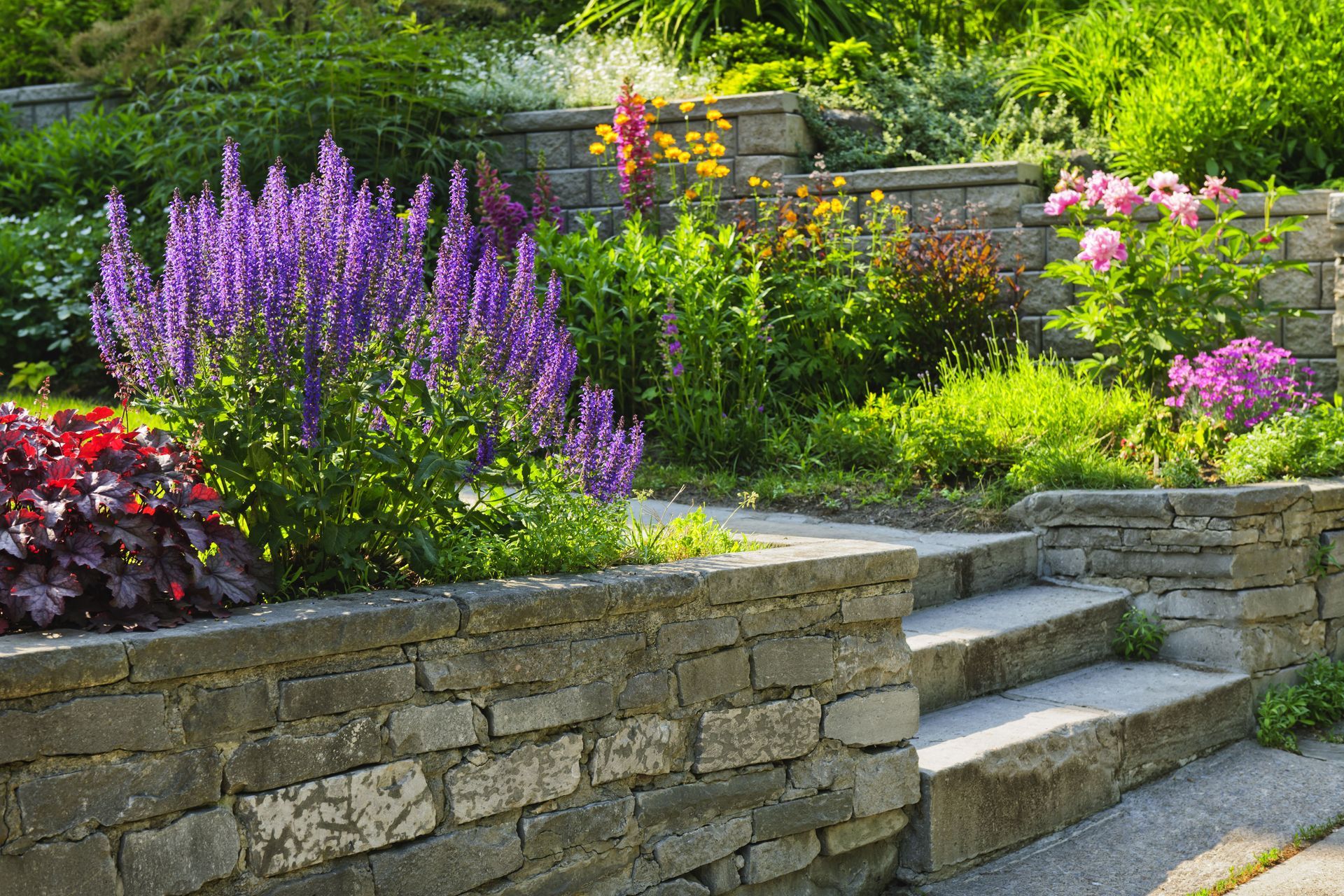
Gravity retaining walls rely on their mass to resist the earth's pressure; they are generally made from concrete or stone. The weight of these materials counteracts the lateral pressure exerted by soil and water, stabilizing the ground behind them. These walls are typically quite wide, with the base larger than the top, to effectively balance both gravitational and lateral forces. They are well-suited for short walls in residential or garden applications where aesthetics are also a consideration. The simplicity and solid construction of gravity walls make them a popular choice for many landscapes.
Cantilevered Walls: A Deep Dive
Cantilevered retaining walls are engineering marvels that extend a significant depth into the soil for enhanced stability. Consisting of a thin stem and base slab, these walls function by using the weight of the soil on the wall’s heel to counteract the overturning and sliding forces. They require less material than gravity walls due to their effective design, which makes them ideal for medium to tall applications. Proper reinforcement with steel is crucial in cantilevered walls to manage the various loads and forces. These walls represent a complex yet efficient solution for areas requiring high load support. Be sure to reach out to Cutting Edge Hardscapes today to learn more about our professional retaining walls!