June 15, 2026
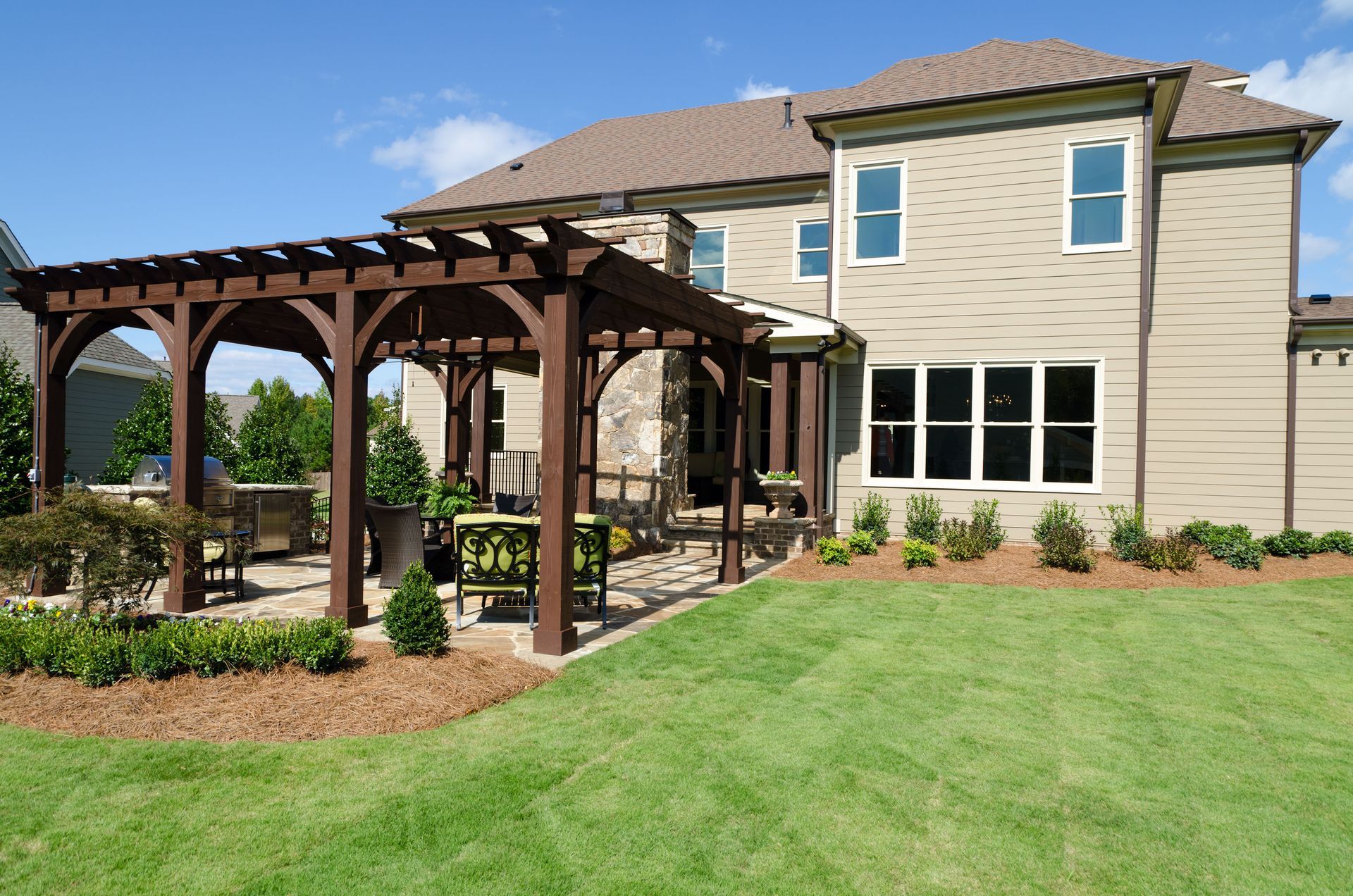
Pergolas have become an integral part of modern residential landscape design, treasured for their unique ability to transform standard backyards into elegant outdoor living spaces. Structurally distinct and visually striking, these open-air frameworks have fulfilled both decorative and functional roles across various architectural eras.
Investing in a premium backyard feature also represents a highly practical financial strategy. According to findings from The Home Wiser, adding a pergola can deliver an estimated 50% to 80% financial return for a homeowner because it upgrades the usability of the yard and makes the home much more attractive to future buyers. Achieving this level of structural equity requires careful attention to material selection, framing metrics, and expert site positioning from a professional pergola company.
Reviewing the Historical Background of Pergolas
The foundational architecture of open-frame garden accents dates back thousands of years, with early historical records tracing back to ancient Egyptian and Roman estate gardens. These initial structures were primarily engineered as heavy vertical support networks for climbing agricultural vines, creating long, shaded corridors amidst intense field heat.
Over time, these pathways shifted from basic agricultural utilities into permanent structural symbols of leisure and wealth. The core architectural geometry has remained remarkably consistent across centuries, relying on upright columns and intersecting cross-beams to establish a clean visual boundary that defines an outdoor gathering zone.
Evolving Design Aesthetics Across the Eras
As building technologies advanced through the Renaissance era, European architects began treating garden walkways as complex structural masterworks, incorporating heavy stone pillars and carved timber rafters. Modern layout options have expanded this classic geometry to include minimalist, clean-lined patterns that fit seamlessly with contemporary residential footprints.
Today, a professional pergola company can design customized systems that utilize high-performance metals and weather-resistant polymers alongside traditional hardwoods. This ongoing design evolution ensures that modern outdoor features fulfill contemporary demands for long-term physical resilience while retaining their historic visual charm.
Examining Key Structural Components
The overhead beam and rafter horizontal matrix function as the primary defensive ceiling of the entire structure. Heavy main beams are bolted directly to the vertical support posts to bear the primary dead load of the assembly. Secondary cross-rafters are then laid perpendicular across the main beams, featuring stylized edge cuts that establish the architectural identity of the structure.
The precise spacing and physical depth of these intersecting rafters dictate exactly how much ambient sunlight passes through to the seating area below. Adjusting these angles allows designers to optimize passive shade during peak afternoon heat index spikes.
Positioning Vertical Columns and Support Systems
Vertical columns serve as the critical load-bearing skeleton of the system, anchoring the overhead weight securely against lateral wind pressures and gravity. These vertical columns must be set deeply into engineered concrete footings or anchored to a structural concrete pad to prevent frost-heaving or shifting over time.
Whether configured as sleek geometric rectangles or classic rounded pillars, the physical thickness and alignment of these columns establish the core structural balance of the space. Proper vertical tracking ensures the entire structure remains level, true, and plumb across decades of continuous environmental exposure.
Selecting Heavy-Duty Connectors and Fasteners
The long-term structural safety of an outdoor timber or composite system depends heavily on the quality of its unseen connection hardware. Premium assemblies utilize industrial-grade structural screws, structural through-bolts, and heavy-gauge stainless steel tension brackets to lock framing members together.
Using corrosion-resistant or hidden fastening hardware prevents dark rust staining along the joints and eliminates structural wood splitting. These heavy-duty connections keep the entire roof assembly perfectly rigid during intense storm events and high-velocity wind loads.
Integrating Modern Outdoor Technology Systems
Modern structural design routinely blends classic backyard aesthetics with advanced low-voltage automation components. Homeowners can collaborate with an experienced pergola company to pre-wire their structural beams for flush-mounted LED downlights, integrated weather-resistant speakers, and automated drop-down privacy screens.
Advanced systems can also feature motorized louvered roofs equipped with built-in rain sensors, allowing the overhead slats to close automatically at the first sign of precipitation to keep the underlying outdoor furniture completely dry.
Evaluating Material Choices for Durability
Natural timber remains a highly sought-after material option due to its undeniable visual warmth, organic grain character, and traditional building feel. Western Red Cedar and premium Redwood are the industry standards for high-end exterior construction, as these specific species possess natural protective oils that actively repel wood-boring insects and resist rot.
For projects requiring unmatched physical density and a maritime-grade operational lifespan, premium Teak represents an exceptional choice that gradually transitions into a classic silver patina when left unsealed.
Installing Heavy-Duty Aluminum and Steel Packages
For homeowners seeking clean, modern lines and an absolute minimum of ongoing maintenance, structural metals provide a highly resilient alternative to wood. High-grade extruded aluminum profiles are exceptionally lightweight yet structurally rigid, featuring durable powder-coated finishes that will never rust, peel, or blister in high-humidity zones.
For expansive commercial configurations or clear-span designs that must traverse massive distances without middle support posts, engineered structural steel provides the immense tensile strength needed to span wide footprints safely.
Adopting Low-Maintenance Composite Options
Cellular PVC and wood-plastic composites have captured a massive share of the modern outdoor living market due to their exceptional durability profiles. These engineered materials are manufactured using a blend of recycled wood fibers and high-density polymers, yielding a split-resistant material that requires zero seasonal staining, painting, or moisture sealing.
Composite framing pieces are completely immune to fungal decay, moisture absorption, and thermal cracking, providing a perfectly uniform appearance that handles intense solar exposure without fading.
Assessing Design and Landscaping Integration
An outdoor feature should function as a deliberate continuation of your home's existing architectural footprint rather than an isolated structural element. Traditional setups feature intricate, scrolled rafter tails and rustic wood textures that match classic craftsmen or colonial homes beautifully.
Conversely, modern minimalist options utilize bold monochromatic profiles, sharp 90-degree framing joints, and hidden hardware configurations to emphasize open sightlines and complement contemporary, sleek residential architecture.
Mapping Strategic Landscape Placement
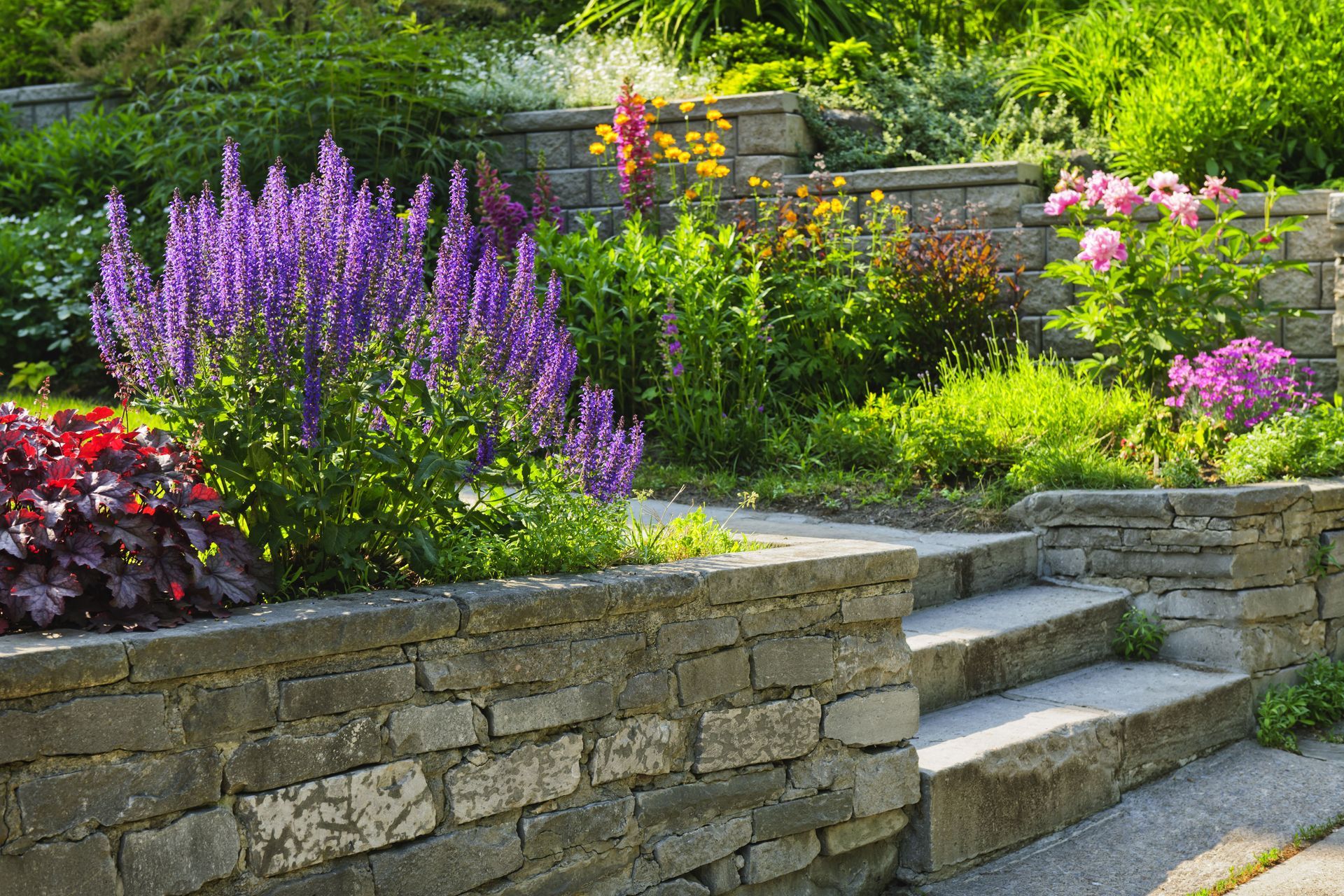
Positioning an open-air pavilion requires a detailed analysis of your property's natural topography, sun tracking paths, and wind directions. A professional pergola company evaluates how the structure will interact with existing patio footprints, pool decks, and retaining wall systems.
When positioned correctly, these overhead assets can frame scenic distance views, establish visual focal points within deep garden beds, and create structured outdoor zones for dining, cooking, and poolside relaxation.
Constructing an elite, structurally sound outdoor pavilion requires an absolute mastery of structural engineering principles, civil grading, and material science. From calculating proper wind-uplift resistances to pouring deep, frost-compliant concrete footings, every single construction phase dictates the safety and long-term financial performance of your residential estate. Partnering with an experienced, certified pergola company ensures that your project transitions seamlessly from an abstract backyard blueprint into a beautifully finished asset that enhances your daily lifestyle.
Cutting Edge Hardscapes provides the advanced project management structures, master craftsmen teams, and elite design software necessary to execute flawless exterior transformations. Our comprehensive hardscaping firm specializes in designing and building custom outdoor living solutions, tailored precisely to the unique soil conditions and climate of your property. We handle the entire development process end-to-end, securing necessary municipal permits, coordinating foundational concrete work, and ensuring every custom beam intersection is locked into place with absolute field precision.
If you are ready to elevate your property's value, maximize your backyard utility, and collaborate with a premier pergola company, contact Cutting Edge Hardscapes today to arrange a detailed site consultation with our specialists and secure an engineered outdoor sanctuary for your home.